
Desserts
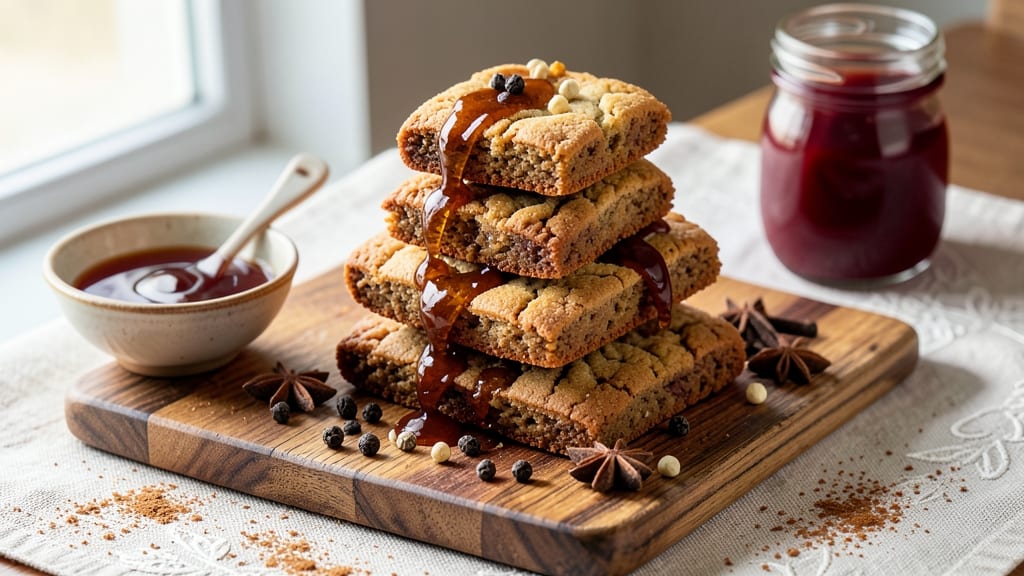
This authentic German gingerbread cookie recipe brings the warm, spiced flavors of Nuremberg to your kitchen with every bite. 🌟 The secret lies in using honey instead of sugar for a deeper, more complex sweetness, while traditional spices like cinnamon, cloves, and nutmeg create that signature aromatic profile.
Unlike American gingerbread, these cookies feature a subtle molasses crunch with delicate vanilla streaks—just like the ones my German grandmother used to bake for Christmas markets.
The recipe begins with a foolproof dough that requires no cream of tartar or baking soda, relying instead on natural leavening agents like baking powder and a touch of molasses. The dough must rest overnight for maximum flavor development and texture, a critical step that separates homemade from store-bought.
This patience pays off in cookies with a tender yet crisp edge and a melt-in-your-mouth center.
What makes these cookies truly authentic is the balance of spices and the use of dark honey—not just any molasses substitute. The result is a cookie that's rich in flavor without being overly sweet, with a subtle warmth from the spices that lingers long after the first bite.
The vanilla streaks add visual appeal and a delicate sweetness that complements the molasses perfectly.
Perfect for holiday gatherings or cozy weeknight treats, these cookies freeze beautifully and taste even better the next day. Whether you're recreating a family tradition or exploring German baking for the first time, this recipe delivers restaurant-quality results with a touch of nostalgia. Let's get started!
Ingredients for authentic german gingerbread cookie
Twelve ingredients, twenty-four cookies—this is the heart of Nuremberg's Christmas markets.
| Ingredient | Amount | Notes |
|---|---|---|
| Dark Honey 🍯 | 1 cup | Thick, rich variety preferred |
| Unsalted Butter 🧈 | 1 cup | Cold, cubed for dough |
| All-Purpose Flour 🌾 | 4 cups | Sifted, plus extra for dusting |
| Molasses 🍯 | ½ cup | Unsulphured, robust flavor |
| Ground Cinnamon 🌿 | 2 tbsp | Freshly ground for warmth |
| Ground Ginger 🌶️ | 1 ½ tbsp | Freshly ground preferred |
| Ground Cloves 🌶️ | 1 tsp | Freshly ground for depth |
| Ground Nutmeg 🌿 | ½ tsp | Freshly grated for aroma |
| Baking Powder 🧂 | 1 tsp | Aluminum-free preferred |
| Salt 🧂 | ½ tsp | Fine sea salt |
| Pure Vanilla Extract 🍯 | 1 tsp | High-quality, Madagascar |
| Vanilla Bean Paste 🍯 | 1 tbsp | For visible streaks |
| Granulated Sugar 🍚 | 1 cup | For dough texture |
The dark honey is non-negotiable here—skip the light varieties. Local German honey from specialty stores like Whole Foods or Trader Joe's works best, but any thick, robust honey will do. The unsalted butter should be European-style if possible (like Plugrá or Kerrygold) for richer flavor, but regular American butter works in a pinch. For spices, Penzeys Spices or bulk bins at natural markets are your best bet—freshly ground cloves and nutmeg make all the difference. The molasses? Unsulphured is key—look for brands like Cumberland Farms or Goya in the baking aisle. Pre-sifted flour saves time, but if you're using regular flour, sift it with the spices to avoid lumps.
No dark honey? Substitute with equal parts molasses plus 1 tbsp maple syrup—it won't be identical, but close. Out of vanilla bean paste? Pure vanilla extract plus a pinch of turmeric mimics the streaks (just don't tell your German relatives). The baking powder must be aluminum-free—Bob's Red Mill is a reliable brand. For the vanilla streaks, use a piping bag with a small tip if you're feeling fancy, or just dot the paste randomly with a knife. The dough will be sticky—don't fight it. If it's too wet, add 1 tbsp more flour; if too dry, mix in 1 tsp honey.
This dough needs at least 24 hours to develop flavor—wrap tightly in plastic and refrigerate. Cookies keep in an airtight container for up to 1 week at room temperature, but they're best fresh from the oven. Freeze shaped dough balls for up to 3 months—bake straight from frozen, adding 2-3 minutes. For that authentic crunch, let them cool completely on the pan before transferring. These taste even better the next day, so bake a batch early and enjoy the aroma all evening.
Why You'll Love This Recipe
- No-Fuss Dough: I swear, this recipe comes together with just a bowl and a fork—no mixer, no fuss. The dark honey and molasses blend right into the butter, so you’re not left with a dry, crumbly mess.
- Molasses-Cinnamon Magic: That deep, caramel-like sweetness from the molasses? It’s like a warm hug in cookie form, especially when the cinnamon kicks in. Honestly, the first bite makes you want to bake another batch immediately.
- Holiday or Snack Attack: These aren’t just Christmas cookies—they’re perfect for breakfast with coffee or as a midday pick-me-up. I’ve even wrapped them in parchment for gifts, and they ship beautifully.
- Budget Baking Win: A single batch costs less than takeout, and the leftovers? They last for days. Between us, I’ve had these cold, warm, and even reheated in the oven—still delicious every time.
Step-by-step instructions for authentic German gingerbread cookies
Here's how to craft these traditional German gingerbread cookies with their signature spiced molasses crunch.
👨🍳 Step 1: Create the Spiced Molasses Base
In a large mixing bowl, combine the 1 cup dark honey, 1 cup unsalted butter (cold and cubed), 1 cup granulated sugar, and 0.5 cup molasses. I like to use a wooden spoon here to really work the butter into the mixture—this creates tiny pockets of air that give the cookies their signature light texture.
Next, add the 1 tsp pure vanilla extract and 1 tbsp vanilla bean paste, mixing until the paste breaks up into visible streaks. This is where the authentic German flavor really shines—the combination of liquid vanilla and visible paste creates that perfect balance of smooth warmth and visible flecks. Let this mixture sit at room temperature for 10 minutes while you prepare the dry ingredients.
👨🍳 Step 2: Blend Dry Ingredients for Maximum Flavor
In a separate bowl, whisk together the 4 cups all-purpose flour, 2 tbsp ground cinnamon, 1.5 tbsp ground ginger, 1 tsp ground cloves, 0.5 tsp ground nutmeg, 1 tsp baking powder, and 0.5 tsp salt. I sift the flour first to eliminate any lumps—this ensures your cookies will have that perfect tender crumb. The spices should be freshly ground if possible; that's where the authentic German warmth comes from.
Make a well in the center of the dry ingredients and pour in the honey-butter mixture. Use a silicone spatula to gently fold everything together until just combined. Here's the thing—don't overmix. You want to see flour streaks throughout the dough. Overmixing develops gluten and makes these delicate cookies tough instead of tender.
🥘 Step 3: Chill the Dough for Perfect Texture
Once the dough comes together, divide it into two equal portions. Wrap each portion tightly in plastic wrap and refrigerate for at least 2 hours (overnight is even better). This chilling step is absolutely critical for authentic German gingerbread. It allows the flour to fully hydrate, prevents excessive spreading in the oven, and gives you that perfect balance of crisp edges and soft centers.
While the dough chills, preheat your oven to 350°F. Line two baking sheets with parchment paper—this prevents sticking and makes cleanup a breeze. I like to use a rolling pin with measurements to ensure consistent cookie thickness. Real talk: if you skip the chilling, your cookies will spread too much and lose that signature gingerbread shape.
🔥 Step 4: Roll and Cut for Traditional Shapes
On a lightly floured surface, roll out one portion of the chilled dough to about ¼-inch thickness. Use cookie cutters to create traditional German shapes—stars, circles, or hearts work beautifully. For that authentic look, I press down gently but firmly on the dough during cutting. This ensures clean edges and prevents the cookies from crumbling when you transfer them to the baking sheet.
Place the cut-out cookies on the prepared baking sheets, leaving about 2 inches between each one. They'll spread slightly during baking, but not so much that they lose their shape. The key here is patience—don't overcrowd the baking sheets. If you do, you'll end up with cookies that bake unevenly and lose their crisp edges.
⏰ Step 5: Bake to Golden Perfection
Bake the cookies for 10-12 minutes until the edges are golden brown and the centers still look slightly underdone. They'll continue cooking on the hot pan after you remove them from the oven. I know it seems counterintuitive, but slightly underbaking them ensures that chewy center everyone loves in authentic German gingerbread.
Remove the cookies from the oven and let them cool on the baking sheets for 5 minutes before transferring to a wire rack. This resting period allows the molasses to set slightly, giving you that perfect balance of crisp edges and soft, spiced centers. For the full authentic experience, serve them warm with a dusting of powdered sugar or a sprinkle of coarse sugar.
Pro Tips For Making Authentic German Gingerbread Cookie
- Chill the Dough: After mixing, pop the dough in the fridge for at least 30 minutes—this isn’t just about convenience, it’s about flavor. Cold dough prevents molasses from spreading too thin when baking, giving you those thick, chewy edges German bakeries swear by. (Yes, even if you’re impatient like me.)
- Use Room-Temp Butter: That cold butter straight from the fridge? It’ll fight you. Let it sit out for 30–45 minutes until it’s soft but not melted—this ensures the dough comes together smoothly without turning greasy. I learned this the hard way after kneading a lumpy mess that tasted like butterfinger dough.
- Measure Molasses Precisely: Molasses is thick, and a tablespoon isn’t always a tablespoon. Use a kitchen scale or spoon it straight from the bottle into your measuring cup—pack it down firmly. Too little, and your cookies lack depth; too much, and they’ll taste like syrup. (Your future self will thank you.)
- Bake in Batches: German gingerbread needs space to spread, not crowd. Use a parchment-lined tray and bake in single layers—no overlapping. I used to stack them for efficiency, but the edges always turned out flat and sad. (Sounds weird, but it works.)
Wine and beer pairings for this recipe
German Beer Pairings
A crisp Dunkel beer from Bavaria is my go-to pairing for these gingerbread cookies—its malty sweetness and dark amber hue mirror the molasses and honey flavors perfectly.
Look for Weihenstephaner Dunkel or Paulaner Münchner Dunkel, both of which have just enough caramel notes to complement the spices without overpowering them. Serve slightly chilled to enhance the contrast between the warm cookies and cool beer. 🍺
For a lighter option, try a Helles lager like Augustiner Helles—its clean, crisp profile cuts through the richness of the butter and honey while letting the ginger and cinnamon shine.
The subtle hop bit balances the sweetness beautifully, making each bite feel fresh and balanced. I often serve this pairing at holiday gatherings where guests want something refreshing between bites.
Wine Pairings
A German Riesling Kabinett from the Mosel region is the ideal wine companion—its bright acidity and hints of green apple or peach cleanse the palate between rich, spiced cookies.
Look for Dr. Loosen Blue Slate or Egon Müller Scharzhofberger, both of which offer the perfect balance of sweetness and minerality to match the molasses depth. Serve slightly off-chilled (50-55°F) to let the wine's natural sweetness harmonize with the cookies. 🍷
If you prefer red wine, a light Pinot Noir from Germany's Baden region works surprisingly well. The Dr. Loosen Blue Slate Pinot Noir has enough fruitiness to complement the vanilla and ginger while its earthy undertones echo the baking spices.
Avoid heavy, oaky wines—they'll clash with the delicate molasses and honey notes.
Non-Alcoholic Options
For a festive non-alcoholic pairing, try sparkling apple cider like Martinelli's or Woodchuck Hard Cider (the non-alcoholic version). The effervescence and tart apple flavors create a refreshing contrast to the cookies' warmth, while the slight sweetness enhances the molasses.
I often serve this at family gatherings where kids and adults can enjoy the same pairing. ❄️
Another great option is German gingerbread-infused tea—brew a strong Earl Grey and add a pinch of ground ginger and cinnamon to mimic the cookie's flavors. The tea's bergamot notes complement the vanilla streaks beautifully, creating a cohesive tasting experience. Serve warm for the full effect.
Nutrition facts
Frequently asked questions
Why does this recipe use honey instead of sugar?
Authentic German gingerbread relies on honey for its rich, complex depth that regular sugar can't replicate. The honey caramelizes beautifully during baking, creating those signature warm, molasses-like notes. Plus, it keeps the cookies moist longer than sugar would—perfect for that tender yet crisp texture.
Can I make these cookies without vanilla bean paste?
Yes! Mix 1 tsp pure vanilla extract with a pinch of turmeric to mimic the visible streaks. The turmeric adds color while keeping the authentic vanilla flavor. For best results, use Madagascar vanilla extract, which has a more complex profile than imitation varieties.
How do I store leftover gingerbread?
Keep them in an airtight container at room temperature for up to 1 week, or freeze shaped dough balls for 3 months. For maximum freshness, bake from frozen—just add 2-3 extra minutes to the baking time. The flavors actually improve overnight!
What's the secret to preventing cracked cookies?
Don't overbake! Remove them when edges are just golden (10-12 minutes at 350°F) and let them cool on the pan for 5 minutes. The residual heat helps set the molasses without causing cracks. Also, chill the dough properly—this prevents excessive spreading that leads to uneven baking.
Can I substitute molasses with something else?
Use equal parts molasses plus 1 tbsp maple syrup for a close substitute. The syrup adds moisture, but you'll lose some of the deep, robust flavor. For best results, stick with unsulphured molasses—it has a cleaner taste that pairs perfectly with the honey and spices.