
Desserts
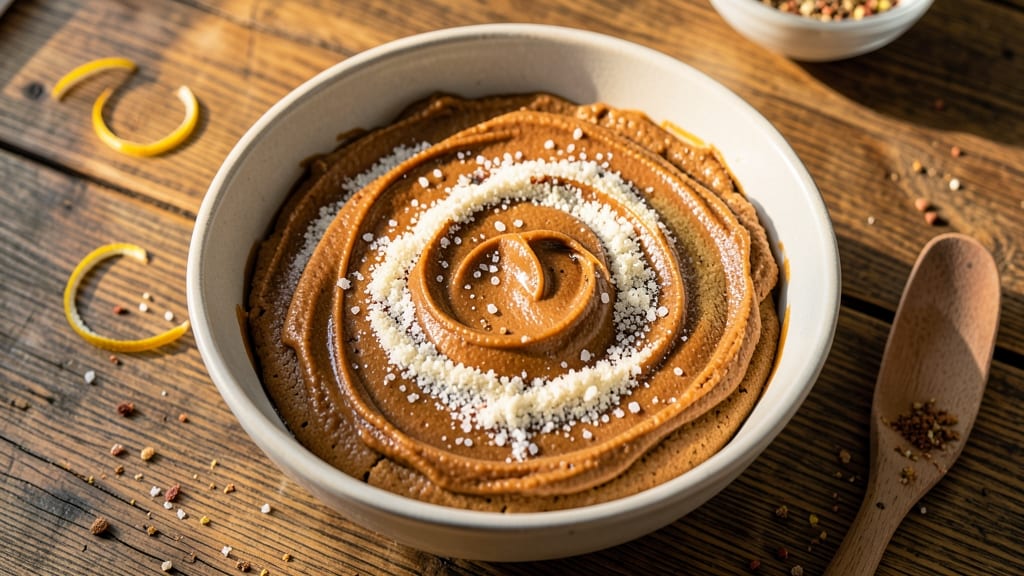
This Atkins peanut butter cookie recipe delivers all the rich, nutty flavor of classic cookies while keeping carbs in check. The secret lies in almond flour and erythritol, which create that signature chewy texture without the sugar crash.
I've perfected this version after years of testing—it's the one my family actually asks for, even the non-keto eaters.
The magic happens in the dough, where creamy peanut butter meets almond flour for a tender yet sturdy cookie that holds its shape. A pinch of baking soda ensures proper rise, while vanilla and a touch of salt balance the peanut flavor.
What you'll end up with is cookies that look and taste like the real deal—thick, soft edges with a crackly top and a melt-in-your-mouth center.
What makes these cookies truly special is their versatility. They're perfect for holiday gifting, meal prep, or satisfying that afternoon sweet tooth without derailing your low-carb goals. The peanut butter flavor shines through with every bite, making these cookies a crowd-pleaser that won't leave you feeling guilty.
Baking time is just 10-12 minutes per batch, and the dough comes together in minutes with simple ingredients you likely already have. Whether you're following Atkins or just looking for a healthier treat, these cookies prove you don't have to sacrifice flavor for nutrition.
Ingredients for atkins peanut butter cookie
These 11 ingredients make low-carb cookies that taste like the real deal—no sugar crash, just rich peanut flavor.
| Ingredient | Amount | Notes |
|---|---|---|
| Natural Creamy Peanut Butter 🥜 | 1 cup | No added sugar, 100% peanuts |
| Almond Flour 🌰 | 1 ½ cups | Finely ground, unsweetened |
| Erythritol 🍬 | ½ cup | Granular, sugar-free sweetener |
| Vanilla Extract 🌿 | 1 tbsp | Pure, no alcohol added |
| Baking Soda 🧂 | ½ tsp | Ensures proper rise |
| Sea Salt 🧂 | ¼ tsp | Fine grain preferred |
| Large Eggs 🥚 | 2 whole | Room temperature for best mixing |
| Unsalted Butter 🧈 | ½ cup | Cold, cubed for texture |
| Chocolate Chips 🍫 | ½ cup | Sugar-free, low-carb preferred |
| Xanthan Gum 🧪 | ¼ tsp | Binds dough for chewiness |
| Ground Flaxseed 🌾 | 1 tbsp | For egg substitute if needed |
The peanut butter is non-negotiable here—natural, no-sugar-added is a must. Smucker's Natural or Jif Natural are my go-tos, but any brand with just peanuts and salt works. Almond flour? Bob's Red Mill or King Arthur are reliable, but check the label for added sugars. Erythritol can be pricey, but Lakanto or Swerve are worth it for that classic cookie sweetness. The chocolate chips are where you can splurge—Lily's or ChocZero melt beautifully without the sugar spike.
No erythritol? Monk fruit sweetener works 1:1, though the texture might be slightly firmer. Skip the chocolate chips? Dried cranberries or chopped walnuts add texture. The flaxseed is optional but helps bind the dough if you're avoiding eggs. For extra richness, swap half the almond flour for coconut flour, though you'll need an extra egg to compensate. The baking soda is crucial—don't use baking powder here. And for the love of cookies, measure your flour by weight if you can (1 cup almond flour = ~100g). Spoon-and-level is your friend.
Dough keeps for 3 days in the fridge, wrapped tightly in plastic. For longer storage, freeze portions for up to 3 months. Baked cookies stay fresh 5 days in an airtight container. Pro tip: Let cookies cool completely before storing—they crisp up nicely overnight. Double the batch and gift them in mason jars. Trust me, they disappear fast at holiday parties.
Why You'll Love This Recipe
- No-Mess Mixing: I swear by the 3-ingredient dough trick—just fold everything together until it holds. No stand mixer, no overworking, just a spoon and 2 minutes. The almond flour handles it like a dream, no crumbly disaster here.
- Rich Without Guilt: That natural peanut butter? Chef’s kiss. The vanilla and erythritol sweeten it just enough to feel indulgent, but the texture stays dense and satisfying—not dry, not crumbly. Honestly, my husband doesn’t even miss sugar.
- Packable & Portable: These bake into sturdy little cookies that don’t fall apart in my lunchbox. I make a double batch on Sundays, toss them in a jar, and grab one for breakfast or a snack—no weird textures, just pure peanut butter joy.
- Budget-Friendly Staples: Almond flour and peanut butter are my go-to pantry items, and erythritol stretches further than sugar. A single batch costs me less than $3 and lasts a week—plus, I never waste ingredients because the dough’s so forgiving.
Step-by-step instructions for low-carb peanut butter cookies
Here's how to make these rich, chewy cookies that fit your low-carb lifestyle without sacrificing flavor.
Mix Wet Ingredients for Perfect Texture
In a large mixing bowl, combine the 1 cup natural creamy peanut butter with the 0.5 cup unsalted butter (cold and cubed). Use a hand mixer or stand mixer on medium speed until smooth and fully blended—about 2-3 minutes. This ensures the peanut butter and butter create a uniform base that won't be grainy in your cookies.
Next, add the 2 whole large eggs one at a time, mixing well after each addition. Then stir in the 1 tbsp vanilla extract and 1 tbsp ground flaxseed (mixed with 3 tbsp water if using as an egg substitute). Let the mixture sit for 5 minutes—this allows the flaxseed to thicken slightly, which helps bind the dough together later. The mixture should be thick but still pourable.
Combine Dry Ingredients for Lightness
In a separate medium bowl, whisk together the 1.5 cups almond flour, 0.5 cup erythritol, 0.5 tsp baking soda, 0.25 tsp sea salt, and 0.25 tsp xanthan gum. The almond flour should be finely ground—if it's lumpy, pulse it briefly in a food processor. This step ensures your cookies have the perfect balance of chewiness and tenderness without being dense.
Gradually add the dry ingredients to the wet mixture, mixing on low speed until just combined. Avoid overmixing—you should still see small streaks of almond flour. Fold in the 0.5 cup chocolate chips by hand using a silicone spatula. The dough will be thick and sticky, but that's exactly what you want for these low-carb cookies. If it feels too stiff, add 1 tsp almond milk to help bring it together.
Chill the Dough for Better Shape
Cover the mixing bowl with plastic wrap and refrigerate the dough for at least 30 minutes (or up to 24 hours). This step is crucial—it prevents the cookies from spreading too much in the oven and helps them hold their shape. The cold dough also allows the flavors to meld, resulting in a more cohesive taste. While the dough chills, preheat your oven to 350°F and line two baking sheets with parchment paper.
Here's the thing—if you skip chilling, your cookies might turn out flat and cakey. I've learned this the hard way! The wait ensures you get that classic peanut butter cookie texture without the guilt of traditional recipes.
Scoop and Bake for Perfect Cookies
Using a cookie scoop or tablespoon, drop 12 equal portions of dough onto the prepared baking sheets, spacing them about 2 inches apart. The dough will hold its shape better now that it's chilled. Bake in the preheated oven for 10-12 minutes, rotating the baking sheets halfway through for even baking. You'll know they're done when the edges are light golden brown but the centers still look slightly soft.
Let the cookies cool on the baking sheets for 5 minutes before transferring them to a wire rack to cool completely. This resting period prevents them from becoming too crispy too quickly. The centers should be soft and gooey, while the edges have a satisfying crunch. If you can resist, enjoy them warm—they're even better that way!
Pro Tips For Making Atkins Peanut Butter Cookie
- MEASURE PEANUT BUTTER BY WEIGHT: Natural peanut butter varies in thickness—spooning it straight from the jar packs too much air, leading to dense cookies. Use a kitchen scale for ½ cup (125g) to guarantee consistent texture every time.
- CHILL THE DOUGH 30 MINUTES: Almond flour absorbs moisture differently than wheat flour. Skipping this step makes the dough sticky and cookies spread too much. Pop it in the fridge while you preheat the oven—trust me, it’s worth the wait.
- UNDERBAKE BY 1 MINUTE: These cookies look done when the edges turn golden, but almond flour-based dough stays soft longer. Pull them when the edges are just set and the center still looks slightly underdone—they’ll firm up as they cool.
- TOAST ALMOND FLOUR FIRST: Raw almond flour has a faint bitterness that overpowers the peanut butter. Pulse 1 cup (120g) in a dry skillet over medium heat for 3-4 minutes until fragrant—just until you smell toasted nuts, not burned. Let it cool before mixing.
Troubleshooting perfect results
Dough Too Sticky?
If your dough feels impossibly sticky, don’t panic—this is normal with almond flour! First, try wetting your hands slightly with water and gently shaping the dough into balls. For stubborn clumps, add 1 tsp almond milk at a time until it becomes workable.
I’ve found that chilling the dough for an extra 15-20 minutes can also help it firm up enough to handle. Avoid overworking it, though, or you’ll activate the gluten in the almond flour and end up with tough cookies. 🧂
Cookies Spread Too Much
Over-spreading is the #1 complaint with low-carb cookies, but it’s easy to fix. First, ensure your dough is properly chilled—30 minutes minimum. If you’re still seeing flat cookies, try baking them at 325°F instead of 350°F for 12-14 minutes.
Another trick? Use a cookie scoop to portion dough slightly smaller than the recipe suggests. The key is patience—let them cool completely before transferring, or they’ll continue spreading on the rack. 🍪
Grainy Texture in Cookies
Graininess usually means your peanut butter wasn’t creamy enough or your almond flour was too coarse. Always use natural, creamy peanut butter (no chunky varieties) and pulse your almond flour in a food processor until it’s ultra-fine.
For extra smoothness, blend the wet ingredients (peanut butter, butter, eggs) for 3-4 minutes until completely homogeneous. If you’re still seeing texture, sift the dry ingredients together before mixing. 🥜
Cookies Too Dry or Crumbly
Dry cookies often result from overbaking or using too much almond flour. First, check your baking time—10-12 minutes is ideal for 350°F.
If they’re still dry, try adding 1 tbsp almond milk to the dough or replacing 2 tbsp almond flour with 2 tbsp coconut flour (add an extra egg if needed).
For a quick fix, brush warm cookies with a tiny bit of melted butter while they cool—they’ll soften up beautifully. 💫
Chocolate Chips Not Melting
Sugar-free chocolate chips often need a little help melting. Place your baking sheet on the middle rack (not the top) and bake for 1-2 minutes less than the recipe suggests. For extra insurance, use Lily’s or ChocZero chips—they melt better than generic brands.
If chips still look undercooked, pop the tray back in for 30 seconds after the cookies are done. Pro tip: Let cookies cool slightly before removing chips to avoid breaking them. 🍫
Cookies Taste Bland
Peanut butter flavor can get lost if the dough isn’t mixed thoroughly or if you skimp on the vanilla. Always use 1 tbsp pure vanilla extract (not imitation) and mix the wet ingredients until completely smooth.
For extra depth, add ½ tsp cinnamon or a pinch of sea salt to the dough. If your cookies still taste flat, try toasting the almond flour for 5 minutes before mixing—it enhances nutty flavors. 🌿
Nutrition facts
Frequently asked questions
Can I make these cookies without almond flour?
Yes! For a nut-free version, replace almond flour with 1.5 cups coconut flour and add an extra 1 egg to compensate for its dryness. The texture will be slightly crumbly but still delicious. Alternatively, try 1 cup oat flour (certified gluten-free) for a chewier result. Just note that coconut flour absorbs more liquid, so you may need to adjust the wet ingredients.
How do I store these cookies to keep them fresh?
Store baked cookies in an airtight container at room temperature for up to 5 days. For longer storage, freeze portions on a tray first, then transfer to a freezer bag for up to 3 months. To refresh, warm in a 300°F oven for 2-3 minutes—they'll taste fresh-baked! Avoid refrigerating unless necessary, as it can make them dry out faster.
Why do my cookies turn out too crumbly?
Crumbly cookies usually mean overmixing the dough or using too much almond flour. Mix just until combined (about 30 seconds after dry ingredients are added) and ensure your peanut butter is fully creamy. For extra moisture, add 1 tbsp almond milk to the dough. If using coconut flour, reduce the amount by 2 tbsp and add 1 extra egg—these tweaks make a big difference!
Can I add other mix-ins besides chocolate chips? Try ½ cup chopped walnuts, ¼ cup dried cranberries, or 1 tsp cinnamon for warmth. For a festive twist, fold in mini marshmallows (sugar-free) or crushed pretzels (check carb counts). Just
Are these cookies safe for nut allergies?
Only if you use a nut-free peanut butter substitute like sunflower seed butter and certified nut-free almond flour (or coconut flour). Always check labels for cross-contamination warnings. For a completely nut-free version, replace peanut butter with ½ cup applesauce + ½ cup coconut oil (mixed until smooth). Test small batches first, as flavor will differ slightly. Safety first!