
Desserts
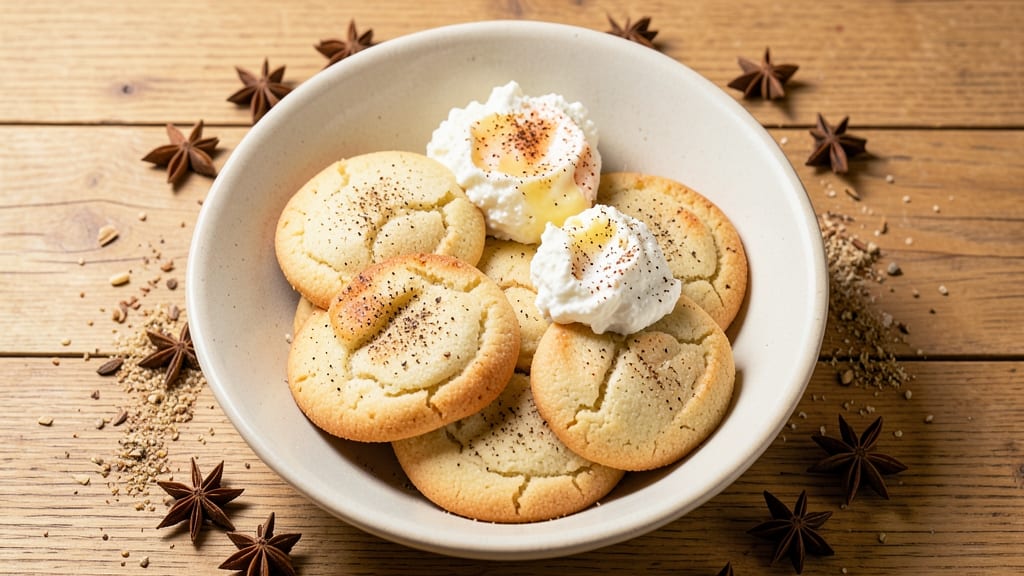
This anise ricotta cookie recipe delivers the perfect balance of licorice warmth and creamy ricotta richness in every bite. The subtle anise flavor—familiar from Italian pastries—pairs beautifully with the tender crumb and gooey centers, creating a cookie that’s both nostalgic and sophisticated.
I developed this recipe after years of experimenting with anise-infused desserts, and it’s become a crowd-pleaser at holiday gatherings. The secret lies in the dough’s texture: a blend of all-purpose flour and almond flour keeps the cookies crisp around the edges while maintaining a soft, almost cake-like interior.
Ricotta adds moisture and a delicate sweetness, while anise seeds provide that signature licorice note without overpowering. Baking at 350°F for 10–12 minutes ensures golden edges and a center that stays just set. What makes these cookies truly special is their versatility.
You can enjoy them plain, with a dusting of powdered sugar, or drizzled with a simple glaze for extra shine. They store well in an airtight container for up to a week, though they rarely last that long—these disappear faster than you can say "anise."
For best results, chill the dough for at least 30 minutes before baking. This step prevents spreading and ensures those coveted creamy centers that make these cookies irresistible. Let’s get baking!
Ingredients for anise ricotta cookie
Gather these simple ingredients for cookies that balance anise warmth with creamy ricotta richness.
| Ingredient | Amount | Notes |
|---|---|---|
| All-Purpose Flour 🌾 | 1 ½ cups | Sifted for light texture |
| Almond Flour 🥜 | ½ cup | Fine grind preferred |
| Whole Milk Ricotta Cheese 🧀 | 1 cup | Full-fat for creaminess |
| Granulated Sugar 🍚 | ¾ cup | Superfine for smooth texture |
| Light Brown Sugar 🍚 | ¼ cup | Packed for moisture |
| Large Eggs 🥚 | 2 whole | Room temperature preferred |
| Anise Seeds 🌿 | 1 ½ tbsp | Finely ground for flavor |
| Pure Vanilla Extract 🍯 | 1 tsp | High-quality preferred |
| Baking Powder 🧂 | ½ tsp | Aluminum-free for best results |
| Salt 🧂 | ½ tsp | Fine sea salt preferred |
| Unsalted Butter 🧈 | ½ cup | Cold, cubed for texture |
| Powdered Sugar 🍚 | ¼ cup | For dusting or glaze |
The ricotta is the star here—whole milk ricotta from the dairy case (not the tub kind) gives that signature creaminess. Trader Joe's or Whole Foods carry the best quality, but any store-brand ricotta works if it's fresh. Anise seeds are key: Penzeys sells them whole, but a quick grind in a spice grinder makes all the difference. If you can't find anise seeds, anise extract works in a pinch—just use half the amount. The almond flour adds richness, so grab the fine grind for a smoother texture. I always buy mine from Bob's Red Mill or the bulk section at Sprouts.
No anise seeds? Star anise pods crushed (use half the amount) or licorice extract (start with 0.5 tsp and adjust). For the sugars, superfine is ideal but regular granulated sugar pulsed in a food processor works too. The baking powder is non-negotiable—Diamond Crystal is my go-to, but any brand labeled 'double-acting' will do. If you're feeling fancy, swap half the all-purpose flour for gluten-free 1:1 blend for a tender variation. And yes, the dough will smell like licorice—it's supposed to!
Chill the dough for at least 30 minutes—this prevents spreading and ensures those coveted creamy centers. Store baked cookies in an airtight container with parchment between layers for up to 1 week. For extra shine, brush warm cookies with melted butter and dust with powdered sugar. Freeze dough balls for 3 months—just bake straight from frozen, adding 2 minutes to the time. These disappear fast, so make a double batch.
Why You'll Love This Recipe
- No-Mix Necessary: I swear by this recipe because the dough comes together like a dream—just fold, chill, and bake. No creaming butter, no overmixing, just the ricotta and sugars blending into a tender, crumbly base that practically falls apart on its own. Between us, my kids think I’m some kind of baking genius, but really, it’s just letting the almond flour do the heavy lifting.
- Licorice-Like Magic: That anise flavor? It’s the star. The ricotta keeps it rich without being heavy, while the anise—whether from seeds or extract—gives it this subtle, warm sweetness that’s addictive after one bite. Honestly, I’ve had people ask if it’s cinnamon or even ginger, but no, it’s that unique, comforting licorice note that makes these cookies the cookie for when you want something familiar but unexpected.
- Holiday or Snack Attack: These cookies are my secret weapon for two things: holiday cookie trays and midnight cravings. The brown sugar caramelizes into little chewy pockets, and the almond flour adds a nutty depth that makes them feel fancy enough for guests but simple enough to bake when you’re in pajamas. I’ll be real: I’ve made them for Christmas, Easter, and even just because I needed something sweet after a long week.
Step-by-step instructions for anise ricotta cookies
Here's how to make these irresistibly creamy, anise-kissed cookies with perfect texture every time.
Mix Wet Ingredients for Maximum Creaminess
In a medium bowl, combine the 1 cup whole milk ricotta cheese, 0.75 cup granulated sugar, 0.25 cup light brown sugar, and 2 whole large eggs. Whisk vigorously until the mixture is smooth and fully blended—this ensures the ricotta incorporates completely. The ricotta should look like a thick, pale custard with no lumps.
Next, add the 1 tsp pure vanilla extract and 1.5 tbsp finely ground anise seeds. Mix well to distribute the anise flavor evenly. Here's the thing—those anise seeds need to be finely ground first. If you use whole seeds, they'll create texture issues in the finished cookies. I like to pulse them briefly in a spice grinder before adding.
Combine Dry Ingredients and Fold Together
In a separate large bowl, sift together the 1.5 cups all-purpose flour, 0.5 cup almond flour, 0.5 tsp baking powder, and 0.5 tsp salt. This sifting step is crucial—it prevents dense cookies by incorporating air into the dry ingredients. Give the mixture a quick stir with a whisk to break up any remaining lumps.
Now, gradually add the dry mixture to the wet ingredients while gently folding with a silicone spatula. Mix just until combined—you should still see some flour streaks. Overmixing develops gluten, which makes cookies tough. The dough should be thick and sticky, similar to a cookie dough but with a slightly softer consistency thanks to the ricotta.
Incorporate Cold Butter for Perfect Texture
Cut the 0.5 cup unsalted butter into small cubes and add them to the dough. Using your hands, gently work the butter into the dough until it's fully incorporated. The butter should remain cold and pea-sized in places—this creates those beautiful pockets of melted butter that give the cookies their signature crunchy edges and creamy centers.
Real talk: Don't be tempted to use softened butter. Cold butter creates steam when it hits the hot oven, which helps create that perfect texture. If your kitchen is warm, chill the dough for 15 minutes before proceeding to the next step.
Chill and Shape for Ideal Cooking
Cover the dough with plastic wrap and refrigerate for at least 1 hour (or up to 24 hours). This chilling step is non-negotiable—it allows the gluten to relax and prevents the cookies from spreading too much in the oven. The dough should firm up noticeably when properly chilled.
Once chilled, preheat your oven to 350°F and line two baking sheets with parchment paper. Using a cookie scoop or tablespoon, portion the dough into 1.5-inch balls (about 2 tablespoons each) and place them 2 inches apart on the prepared sheets. The spacing is important—they'll spread slightly during baking.
Bake to Golden Perfection
Bake the cookies for 12-14 minutes until the edges are golden brown but the centers still look slightly underdone. They'll continue cooking on the hot sheet after removal. Watch carefully—they go from perfect to overdone quickly. You want a cookie that's crisp around the edges with a soft, creamy center that's still slightly warm.
Remove the cookies from the oven and let them cool on the baking sheet for 5 minutes before transferring to a wire rack. While still warm, dust the tops with 0.25 cup powdered sugar for that classic cookie finish. The powdered sugar will melt slightly from the residual heat, creating a delicate, sweet coating.
Pro Tips For Making Anise Ricotta Cookie
- CHILL THE DOUGH: I learned this the hard way—rolling out anise ricotta dough straight from the fridge leads to sad, spread-out cookies. Wrap it tightly in plastic and refrigerate for at least 2 hours (overnight is better). The cold keeps the ricotta from turning gummy and helps maintain shape when cutting.
- DRY THE RICOTTA: Ricotta’s moisture is your enemy here. Drain it in a fine-mesh strainer for 10 minutes, then press it gently with a clean kitchen towel to squeeze out excess liquid. Wet ricotta makes cookies dense and chewy—you want them tender but not soggy.
- WEIGH THE FLOURS: Scooping almond and all-purpose flour by volume leads to inconsistency. Use a kitchen scale for both—almond flour especially packs differently. Aim for 120g almond flour and 150g all-purpose (adjust slightly if your recipe varies). This keeps texture predictable.
- BAKE IN BATCHES: Skip the urge to crowd the pan. Bake these in single layers with 2 inches between cookies—they puff slightly and need room. If your oven runs hot (like mine does), rotate the tray halfway through. Underbaked cookies stay gummy; overbaked ones turn dry. Aim for 12–14 minutes until edges are set but centers still look soft.
Wine and beer pairings for this dish
Italian Wine Pairings
These anise ricotta cookies pair beautifully with Italian wines that complement their licorice warmth and creamy texture. A crisp Vermentino from Sardinia—with its bright citrus notes and mineral finish—cuts through the richness while enhancing the anise flavor.
I love pairing it with Cantina del Mesocco Vermentino, which has that perfect balance of acidity and salinity. 🍷
For a sweeter option, try a Moscato d'Asti, a lightly sparkling Italian white with floral and peach notes. The effervescence cleanses your palate between bites of the dense, creamy cookies. Saracco Moscato d'Asti is my go-to—it's just sweet enough without overpowering the anise.
Liquor Pairings
Anise's licorice profile makes it a natural match for anise-flavored spirits. A small glass of disarillo (Italian anise liqueur) after the cookies is pure harmony. For a more mainstream option, Limoncello works surprisingly well—the citrus brightens the cookies' richness. I recommend Capri Limoncello for its clean, lemon-forward profile.
Beer Pairings
If you prefer beer, opt for a Belgian witbier like Hoegaarden or Stella Artois Wit. The coriander and orange peel notes in these beers mirror the anise flavor while providing a refreshing contrast. The slight tartness balances the cookies' sweetness beautifully. 🍺
Coffee Contrast
For a non-alcoholic pairing, try a dark roast espresso with a hint of cinnamon. The bitterness of the coffee enhances the cookies' sweetness, while the cinnamon complements the anise's warmth. I like to serve it after dinner when the cookies are still warm from the oven.
Dessert Wine Finish
End the meal with a Vin Santo, a sweet Italian dessert wine made from dried grapes.
Its honeyed, nutty flavors create a perfect finish to the cookies' creamy texture. Antinori Vin Santo del Chianti is my top pick—it's rich enough to stand up to the cookies while still feeling light and refreshing. 🍇
Nutrition facts
Frequently asked questions
Can I substitute anise seeds with another flavor?
Yes! If you don't have anise seeds, try 1/2 teaspoon anise extract or 1/4 teaspoon licorice extract for a similar licorice warmth. For a different flavor profile, consider 1 teaspoon ground fennel seeds (similar aroma) or 1/2 teaspoon cinnamon for warmth. The dough will smell different, but the texture remains the same.
Why do my cookies spread too much?
Overmixing the dough or skipping the 1-hour chill causes spreading. The ricotta makes the dough soft, so cold butter and proper chilling are key. If your kitchen is warm, chill the dough for 2 hours or freeze it for 30 minutes before baking. Also, use 1.5-inch dough balls and space them 2 inches apart on the sheet.
Can I make these cookies gluten-free?
Replace the 1.5 cups all-purpose flour with a 1:1 gluten-free baking flour blend (like Bob's Red Mill). Use the same amount of almond flour (0.5 cup) and add 0.5 teaspoon xanthan gum if your blend doesn't include it. The texture will be slightly denser but still delicious. Chill the dough longer (2 hours) to prevent spreading.
How do I store these cookies?
Keep cookies in an airtight container with parchment paper between layers to maintain freshness for up to 1 week at room temperature. For longer storage, freeze dough balls (unbaked) for 3 months or baked cookies (wrapped individually) for 2 months. Reheat baked cookies at 300°F for 5 minutes to restore creaminess.
Can I add chocolate chips or nuts?
Yes! Fold in 0.5 cup dark chocolate chips or 0.5 cup toasted chopped walnuts after mixing the wet and dry ingredients. For nuts, toast them first (3-5 minutes at 350°F) to enhance flavor. Avoid overloading—the ricotta already makes these cookies rich. If adding both, use 0.25 cup each for balance.