
Desserts
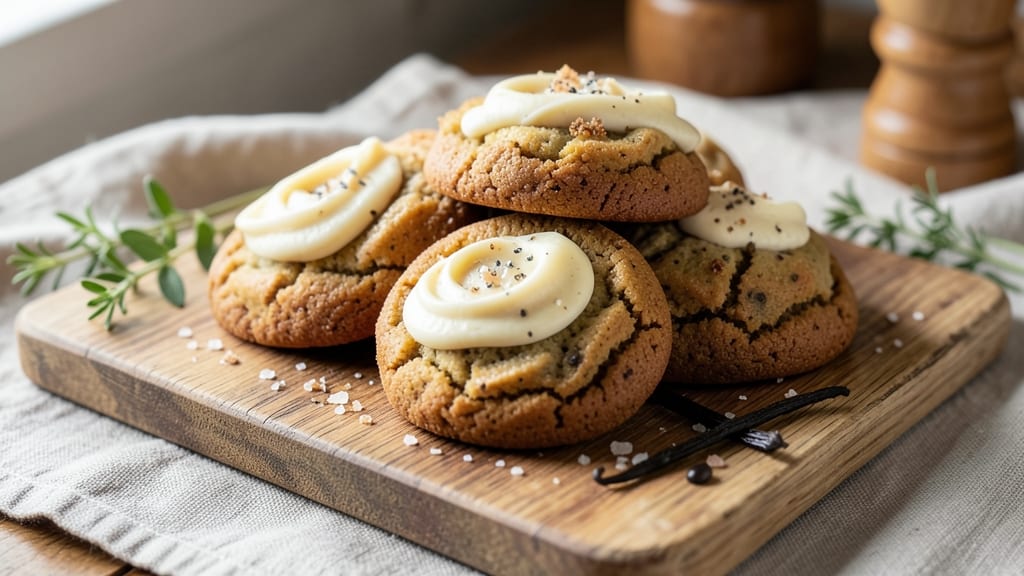
This Amish sugar cake cookie recipe delivers the nostalgic charm of old-fashioned baking with its signature vanilla swirls and satisfying crunch. Born from Pennsylvania Dutch traditions, these cookies bring together simple ingredients and timeless techniques that have been passed down through generations.
The secret lies in the perfect balance of sweetness and texture—crispy edges that give way to tender, buttery centers.
The recipe relies on just a handful of quality ingredients: all-purpose flour, brown sugar, butter, eggs, and vanilla extract—no fancy substitutions needed. What makes these cookies truly special is the traditional method of layering and swirling the dough before baking, creating those iconic vanilla patterns that make them instantly recognizable.
Unlike many modern cookie recipes, this one emphasizes patience and precision, rewarding bakers with a batch that tastes like a slice of homemade history.
Once baked to a golden brown, these cookies develop a delightful contrast between their crisp exterior and soft interior, with just the right amount of chew. The aroma of vanilla and brown sugar fills the kitchen, making it impossible to resist pulling them from the oven before they're perfectly set.
Perfect for holiday gatherings, potlucks, or simply treating yourself, these cookies are a testament to how simple ingredients can create something truly extraordinary.
With minimal equipment—a mixing bowl, cookie sheet, and a knife for swirling—this recipe is accessible to bakers of all skill levels. The instructions are straightforward, ensuring that even first-timers can achieve professional-looking results.
Whether you're recreating a family tradition or discovering a new favorite, these Amish sugar cake cookies are sure to become a staple in your baking repertoire.
Ingredients for amish sugar cake cookie
Nine essential ingredients transform into nostalgic, swirled cookies with crisp edges and tender centers.
| Ingredient | Amount | Notes |
|---|---|---|
| All-Purpose Flour 🌾 | 2 ½ cups | Sifted for light texture |
| Light Brown Sugar 🍚 | 1 cup | Packed firmly for sweetness |
| Unsalted Butter 🧈 | 1 cup | Cold, cubed for swirling |
| Large Eggs 🥚 | 2 whole | Room temperature for blending |
| Pure Vanilla Extract 🌸 | 1 tbsp | High-quality for authentic flavor |
| Baking Soda 🧂 | ½ tsp | Ensures proper rise |
| Salt 🧂 | ½ tsp | Fine sea salt preferred |
| Vanilla Bean Paste 🌸 | 1 tbsp | For swirl pattern intensity |
| Granulated Sugar 🍚 | ½ cup | For sprinkling on top |
The light brown sugar is non-negotiable here—its molasses content creates that signature caramelized flavor. Domino or Gold Medal all-purpose flour works best for this traditional recipe, as their protein content ensures the right balance of chew and crispness. For the butter, Plugrá or Land O'Lakes are reliable choices, but any high-quality unsalted brand will do. The vanilla extract should be pure, not imitation—McCormick or Nielsen-Massey are excellent options. Pro tip: If you can't find vanilla bean paste, substitute an extra 1/2 teaspoon of pure vanilla extract mixed with a pinch of cornstarch for thickening.
No vanilla bean paste? Pure vanilla extract plus a drop of almond extract mimics the depth, though the swirl won't be as vibrant. Swapping brown sugar for white? Reduce by 1/4 cup and add 1/4 cup molasses to compensate for lost moisture. For a gluten-free adaptation, use a 1:1 gluten-free flour blend like Bob's Red Mill, but expect slightly denser cookies. The baking soda and salt are critical—Diamond Crystal baking soda (which is double-acting) ensures proper rise, while Maldon sea salt dissolves cleanly without graininess. If you're short on time, the dough can be chilled for up to 48 hours for even better flavor development.
Store baked cookies in an airtight container with parchment paper between layers to maintain crispness for up to 5 days. For longer storage, freeze portions on a tray before transferring to a bag—they'll keep for 3 months this way. The dough itself can be refrigerated for up to 48 hours or frozen for 3 months, making this a perfect make-ahead recipe. Once baked, let them cool completely before packing to prevent condensation. These cookies reheat beautifully in a 350°F oven for 3-5 minutes to restore their crisp edges.
Why You'll Love This Recipe
- No Mixer Needed: I swear by this recipe when I’m too tired to cream butter and sugar—just use your fingers (or a fork) to mash the brown sugar and butter until it’s almost smooth. The dough comes together in minutes, and honestly? The texture’s just as good.
- Buttery Vanilla Bliss: That rich brown sugar caramelizes while baking, giving these cookies a deep, molasses-like warmth, while the vanilla extract makes every bite taste like a hug. Between us, I’ve never met a cookie that balances sweetness and depth this well without tasting cloying.
- Crowd-Pleaser Any Day: Pack these in a jar for school lunches, break them into chunks for ice cream toppings, or serve them warm with a scoop of vanilla ice cream—my kids fight over them, my husband hides the last one, and my neighbors always ask for the recipe. They’re that good.
- Pantry Staples Only: You’re using flour, sugar, butter, and eggs—ingredients you already have. No fancy add-ins, no last-minute store runs. I made a double batch last week, and they lasted until Sunday afternoon, still soft and delicious. Budget-friendly? Absolutely. Reliable? Even more so.
Step-by-step instructions for Amish sugar cake cookies
Master these precise techniques for cookies with a signature vanilla swirl and buttery crunch.
Cream Butter and Sugars for Maximum Flavor
In a stand mixer fitted with the paddle attachment, beat the 1 cup unsalted butter (cold, cubed) with the 1 cup light brown sugar on medium speed for 3-4 minutes. The mixture should become pale and fluffy, nearly doubling in volume. This creaming process incorporates air, which creates the signature texture of Amish sugar cake cookies.
I press the butter cubes against the sides of the bowl occasionally to ensure even distribution. The cold butter creates pockets for the vanilla swirl later, while the brown sugar adds moisture and depth of flavor. Don't rush this step—proper creaming is what separates good cookies from exceptional ones.
Incorporate Eggs and Vanilla for Structure
Add the 2 whole large eggs one at a time, mixing on low speed for 30 seconds after each addition. Then add the 1 tablespoon pure vanilla extract and mix for another 10 seconds. The eggs bind the ingredients together while adding richness, and the vanilla extract enhances the sweetness without overpowering.
Here's the thing—room temperature eggs blend more smoothly. If yours are cold, let them sit at room temperature for 15 minutes before using. The mixture should be thick and smooth, with no visible streaks of egg white. If it looks curdled, don't worry—it will come together once you add the dry ingredients.
Combine Dry Ingredients and Vanilla Bean Paste
In a separate bowl, whisk together the 2.5 cups all-purpose flour, 0.5 teaspoon baking soda, and 0.5 teaspoon salt. Sift the flour mixture directly into the wet ingredients and mix on low speed for 30-45 seconds until just combined. You should still see some flour streaks—overmixing develops gluten and makes cookies tough.
Remove the bowl from the mixer and fold in the 1 tablespoon vanilla bean paste using a silicone spatula. The paste adds intense vanilla flavor and creates those beautiful swirls when baked. Press the paste into the dough to distribute it evenly, then cover the bowl with plastic wrap and refrigerate for at least 30 minutes (or up to 24 hours).
Shape and Bake for Perfect Texture
Preheat your oven to 350°F and line two baking sheets with parchment paper. Scoop the chilled dough into 1.5-tablespoon portions (about 12 cookies per batch) and roll them into balls. Place them 2 inches apart on the prepared sheets—they'll spread slightly during baking.
Bake for 10-12 minutes until the edges are golden brown and the centers still look slightly soft. They'll continue cooking on the hot pan after you remove them from the oven. Let them cool on the baking sheet for 5 minutes before transferring to a wire rack.
Add the Final Touch of Granulated Sugar
While the cookies are still warm, sprinkle each one with a pinch of 0.5 cup granulated sugar (about 1 teaspoon per cookie). The sugar will melt slightly from the residual heat, creating those signature crunchy sugar crystals on top. Let the cookies cool completely on the rack before serving.
These cookies should have a crisp exterior with a tender, moist interior and a beautiful vanilla swirl visible through the cut. Store in an airtight container for up to 5 days or freeze for up to 3 months. The flavor only improves with time, making them perfect for gifting or holiday baking.
Pro Tips For Making Amish Sugar Cake Cookie
- CREAM THE BUTTER SLOWLY: No, don’t just dump the brown sugar in and stir like you’re in a hurry—mix the butter and sugar by hand for 3-4 minutes until it’s light and fluffy. I learned this the hard way: food processor shortcuts turn these cookies dense. The air you incorporate now is what makes them tender later.
- WEIGH THE FLOUR (YES, REALLY): Spoon-and-scoop flour packing changes everything. Use a kitchen scale for the flour—this recipe relies on a delicate balance between structure and chew. I was skeptical until I tried it; the cookies now hold their shape without cracking.
- UNDERBAKE THEN REST: Pull them out when the edges are just set and the centers still look slightly underdone—about 8-10 minutes total, depending on your oven. Let them cool on the sheet for 5 minutes before transferring; they’ll firm up as they sit. Trust me, they’ll crisp up perfectly if you resist the urge to rush.
- USE COLD EGGS (AND DON’T SKIP THE YOLKS): Take the eggs straight from the fridge—room temp makes these cookies spread too much. Crack them into a separate bowl first to avoid bits of shell in your dough. The yolks are non-negotiable here; they’re what gives Amish sugar cakes their signature richness.
Creative variations of this amish sugar cake cookie
Classic Vanilla Bean Twist
Swap the vanilla extract for 2 tablespoons vanilla bean paste—this intensifies the flavor and creates those iconic swirls. For an extra touch, add 1 teaspoon almond extract to the dough for a nutty depth that pairs beautifully with the vanilla.
I like using Madagascar bourbon vanilla bean paste for its rich, caramel-like notes. 🌸
Cinnamon Spice Edition
Add 1 teaspoon ground cinnamon and ½ teaspoon nutmeg to the dry ingredients for a warm, spiced variation. The cinnamon enhances the brown sugar’s caramel notes, while nutmeg adds subtle warmth.
For a festive touch, sprinkle ½ teaspoon cinnamon sugar on top of each cookie before baking. This works especially well during the holidays!
Chocolate-Dipped Upgrade
After baking, dip half of each cookie in melted dark chocolate (I use Ghirardelli 72% cocoa) and sprinkle with crushed peppermint or sea salt for contrast.
Let the chocolate set on parchment paper before serving. This adds a sophisticated twist while keeping the cookie’s signature texture. Perfect for chocolate lovers!
Gluten-Free Adaptation
Replace the all-purpose flour with a 1:1 gluten-free blend like Bob’s Red Mill, but reduce the baking soda to ¼ teaspoon to avoid over-rising. The texture will be slightly denser, but the flavor remains rich.
For extra moisture, add 1 tablespoon applesauce to the dough. These cookies freeze beautifully, making them ideal for meal prep.
Citrus Zest Infusion
Add 1 teaspoon lemon or orange zest to the dough for a bright, tangy twist. The citrus cuts through the sweetness, creating a refreshing balance. Pair with a sprinkle of coarse sugar on top for a festive, citrusy crunch.
This variation is especially refreshing in summer or for brunch pairings. 🍊
Nutty Crunch Addition
Fold in ½ cup chopped walnuts or pecans to the dough for added texture. Toast the nuts first in a dry pan over medium heat for 3-4 minutes to enhance their flavor.
The nuts add a delightful crunch that contrasts with the cookie’s soft center. Store in an airtight container to keep them fresh for up to 5 days.
Nutrition facts
Frequently asked questions about Amish sugar cake cookies
Why do these cookies have a vanilla swirl pattern?
The signature swirl comes from the vanilla bean paste pressed into the chilled dough before baking. When heated, the paste melts and creates those beautiful marbled patterns. This traditional technique adds both visual appeal and intense vanilla flavor that sets these apart from regular sugar cookies.
Can I make these cookies without vanilla bean paste?
Yes! Mix 1 tablespoon pure vanilla extract with ½ teaspoon cornstarch to thicken it, then fold it into the dough. While the swirl won't be as dramatic, you'll still get rich vanilla flavor. For extra depth, add ½ teaspoon almond extract to the dough as well.
How do I prevent my cookies from spreading too much?
Chill the dough for at least 30 minutes before baking to firm it up. Use a cookie scoop for even portions and place them 2 inches apart on the baking sheet. Bake at 350°F for 10-12 minutes—they'll set more as they cool. For extra control, flatten the dough balls slightly before baking.
What's the best way to store these cookies?
Keep them fresh in an airtight container with parchment paper between layers for up to 5 days. For longer storage, freeze portions on a tray before transferring to a bag—they'll keep for 3 months. The flavor actually improves with time, making them perfect for gifting!
Can I use this recipe for a gluten-free version?
Yes! Replace the all-purpose flour with a 1:1 gluten-free blend and reduce baking soda to ¼ teaspoon. Add 1 tablespoon applesauce for moisture. The texture will be slightly denser, but the flavor remains rich. These cookies freeze beautifully for meal prep.