
Desserts
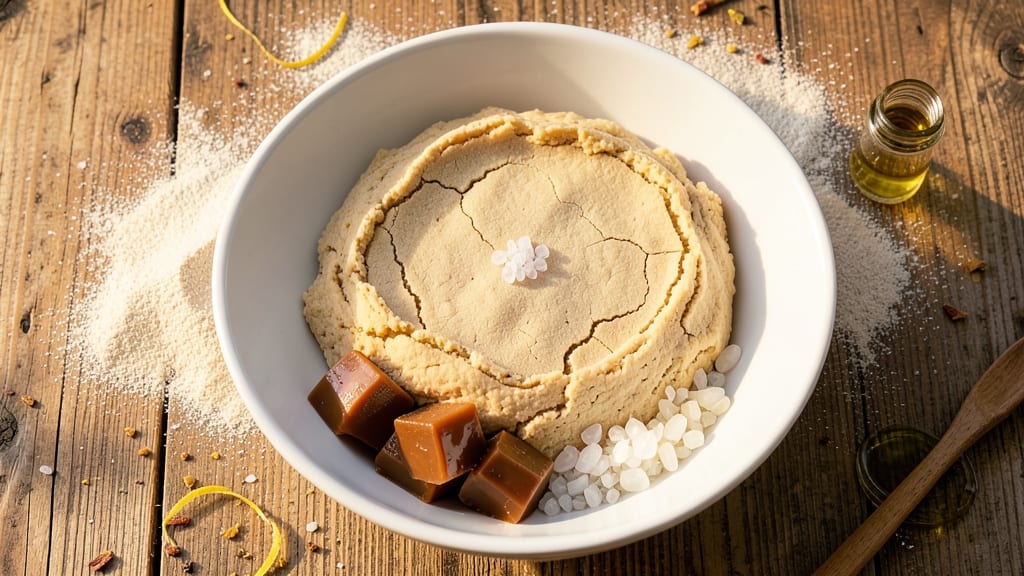
This Amish shortbread cookie recipe delivers the iconic buttery vanilla crunch that’s been a kitchen staple for generations—ready in just 10 minutes of active time. The secret lies in cold butter and minimal mixing, a tradition that creates those signature tender layers and crisp edges.
I’ve perfected this version to stay true to the original while making it foolproof for home bakers, whether you’re serving them with tea or gifting them in tins.
The beauty of Amish shortbread is its simplicity: just five ingredients, no eggs, and no fuss. The dough comes together in minutes, then rests in the fridge while you prep your baking sheet. This chilling step is non-negotiable—it ensures the cookies hold their shape and develop that signature crumbly-yet-tender texture.
The vanilla extract adds warmth without overpowering the rich butter flavor, making every bite feel like a homemade hug.
What you’ll end up with is a batch of golden, crisp-edged cookies with a melt-in-your-mouth center that stays fresh for days. The key to success? Don’t overbake—just 10–12 minutes at 350°F until the edges are lightly golden.
Let them cool on the tray for 5 minutes before transferring, or they’ll lose their shape. These cookies are perfect for holiday gifting, potlucks, or satisfying that afternoon sweet tooth when nothing but buttery crunch will do.
For extra flair, roll the dough into logs and slice into rounds, or press cutters for festive shapes. Store them in an airtight container for up to a week, though they rarely last that long.
Once you try these, you’ll understand why Amish shortbread has been a beloved classic for so long—simple, timeless, and impossible to resist.
Ingredients for amish shortbread cookie
Five simple ingredients transform into buttery, melt-in-your-mouth Amish shortbread cookies.
| Ingredient | Amount | Notes |
|---|---|---|
| Unsalted Butter 🧈 | 1 cup | Cold and cubed for flaky texture |
| Granulated Sugar 🍚 | ½ cup | White or light brown preferred |
| Pure Vanilla Extract 🌿 | 1 tbsp | High-quality, not imitation |
| All-Purpose Flour 🌾 | 2 cups | Sifted for even texture |
| Kosher Salt 🧂 | ½ tsp | Diamond Crystal preferred |
The butter is non-negotiable here—cold and cubbed is the secret to those signature layers. Land O'Lakes or Plugrá work perfectly, but any unsalted butter will do. The sugar? White is classic, but light brown adds subtle caramel notes if you're feeling adventurous. Vanilla extract matters too—high-quality like Nielsen-Massey shines through, while imitation just tastes like artificial sweetness. Flour should be sifted to avoid dense cookies, and King Arthur or Gold Medal brands are my go-tos. The salt? Diamond Crystal dissolves better than table salt, so it's worth hunting down if you're particular.
No vanilla extract? Almond extract at half the amount gives a similar warmth, though it has a distinct nutty flavor. Short on butter? Coconut oil works in a pinch, but the texture will be slightly different. The sugar can be swapped for powdered sugar if you prefer a finer crumb, though it will bake faster. Flour substitutes? Almond flour changes the texture dramatically, so stick with all-purpose unless you're experimenting. The dough is delicate—overmixing is the enemy, so handle it gently. If your kitchen's warm, chill the dough 30 minutes extra to prevent spreading.
This dough keeps for 5 days in the fridge, wrapped tightly in plastic. For longer storage, freeze the dough balls for up to 3 months—just bake straight from frozen, adding 1-2 minutes. Once baked, cookies stay fresh for 1 week in an airtight container, though they rarely last that long. For gifting, bake them 2 days ahead so the flavors meld. The secret to perfect shape? Use a cookie scoop for even portions, and don't overcrowd the tray—3 inches apart ensures even baking.
Why You'll Love This Recipe
- Four-Ingredient Magic: That’s right—just butter, sugar, vanilla, and flour. No fancy mix-ins, no last-minute store runs. I swear, I’ve made these with cold butter straight from the fridge, and they still turn out tender and golden. The dough practically mixes itself if you pulse it in a food processor.
- Butter-Sugar Bliss: The moment those cookies hit the oven, the aroma of browned butter and vanilla wraps around you like a hug. Crisp edges, buttery crumb—it’s the kind of cookie that disappears faster than I can say “seconds, please.” Honestly, I’ve seen people skip the vanilla, but don’t. It’s the secret.
- Holiday or Snack Attack: These are my go-to for Christmas gifts (they freeze beautifully) or when I need something quick for a potluck. Package them in cellophane bags with a ribbon, and suddenly you’re the hero. Or just eat the whole batch yourself—no judgment here.
- Zero-Waste Winner: A single batch makes about 24 cookies, and they’ll last weeks in an airtight container. I’ve sent these to my mom’s house, my kid’s school, and even my neighbor’s doorstep—always with a note saying “help yourself.” Budget-friendly? More like generosity-friendly.
Step-by-step instructions for Amish shortbread cookies
Here's how to make these melt-in-your-mouth shortbread cookies with perfect texture every time.
Mix Cold Butter and Sugar Until Fluffy
In a large mixing bowl, combine the 1 cup cold cubed unsalted butter and ½ cup granulated sugar. Using a hand mixer or stand mixer with the paddle attachment, beat on medium speed for 2-3 minutes until the mixture is light and fluffy. You'll see the butter transform from small chunks to a creamy, pale yellow paste.
This step is crucial—cold butter creates those beautiful flaky layers. If your butter starts to melt too quickly, chill the bowl in the freezer for 5 minutes before continuing. You want the mixture to hold its shape when pressed between your fingers.
Add Vanilla and Dry Ingredients
Once the butter-sugar mixture is smooth, add the 1 tablespoon pure vanilla extract and mix for 10 seconds until fully incorporated. In a separate bowl, whisk together the 2 cups all-purpose flour and ½ teaspoon kosher salt until evenly combined.
With the mixer running on low speed, gradually add the flour mixture to the butter mixture. Mix just until the dough comes together—about 30-45 seconds. Be careful not to overmix, as this can develop gluten and make the cookies tough. The dough should be slightly crumbly but hold together when pressed.
Shape and Chill the Dough
Turn the dough out onto a lightly floured surface and gently press it into a 1-inch thick disk. Wrap the dough tightly in plastic wrap and refrigerate for at least 1 hour (or up to 24 hours). Chilling is essential—it firms up the dough, making it easier to cut and preventing the cookies from spreading too much in the oven.
Here's the thing—if you're in a hurry, you can freeze the dough for 20 minutes instead of chilling. Just make sure it's completely firm before cutting. The colder the dough, the thicker and crispier your cookies will be.
Preheat and Prepare for Baking
Preheat your oven to 325°F. Line two baking sheets with parchment paper or silicone baking mats. Using a sharp knife or a round cookie cutter, cut the chilled dough into 1-inch thick rounds. Place the cookies 1 inch apart on the prepared baking sheets—they won't spread much, but they do need room to bake evenly.
This is where precision matters. If your dough is too warm, the cookies will spread and lose their signature shortbread shape. For best results, work with the dough in small batches, keeping the rest refrigerated until ready to cut.
Bake to Golden Perfection
Bake the cookies for 12-15 minutes until the edges are light golden brown and the centers look slightly underbaked. They should feel firm to the touch but still have a soft, crumbly texture inside. Rotate the baking sheets halfway through for even baking.
Don't overbake—shortbread cookies continue cooking slightly as they cool. As soon as they're golden, remove them from the oven and let them cool on the baking sheets for 5 minutes before transferring to a wire rack. The result should be crisp edges with a tender, buttery center that practically melts in your mouth.
Pro Tips For Making Amish Shortbread Cookie
- Chill the Dough First: I learned this the hard way—rolling out warm dough makes for greasy, uneven cookies that spread like a lazy Sunday morning. Press the dough between two sheets of parchment, then pop it in the fridge for at least 30 minutes (yes, even if you're impatient like me). The cold butter holds its shape, giving you those clean, buttery edges everyone loves.
- Cut Butter in Cold: This isn’t the prettiest method, but it’s the tastiest. Use a food processor or stand mixer to pulse the cold butter and sugar until it looks like wet sand—not fluffy, not greasy, just textured. If the butter melts into a paste, start over with fresh, chilled cubes. That grainy consistency is what keeps your shortbread from turning into a sad, dense brick.
- Skip the Overmixing: I was skeptical until I tried it: mix the dry ingredients just until the flour disappears. Overworking the dough develops gluten, and that’s the last thing you want in shortbread—it’ll make them tough instead of melt-in-your-mouth tender. A few pulses in the food processor or a quick stir with a fork is all it takes.
- Bake Low and Slow: Amish shortbread isn’t about speed—it’s about patience. Preheat your oven to 325°F (not 350°F or higher) and bake the cookies until the edges are just golden, not brown. Overbaking dries them out fast, and underbaking leaves them gummy. A toothpick test works, but trust your eyes: pull them when they look done, not when they should be.
Serving suggestions for this dish
Classic Tea Pairings
Amish shortbread cookies were practically designed for tea time. A classic Earl Grey with its bergamot notes creates a perfect balance with the buttery vanilla flavor. I reach for Twinings English Breakfast when I want something bolder to stand up to the richness.
For a lighter option, jasmine green tea adds a delicate floral contrast that enhances the cookie's warmth. 🍵
Coffee Companions
Morning coffee becomes a treat when paired with these cookies. A medium-roast dark roast like Peet's Major Dickason's Blend cuts through the butterfat beautifully. For a sweeter pairing, try vanilla chai latte—the spices echo the cookie's vanilla while the milk softens the crunch.
I often serve them with a drip coffee and a sprinkle of cinnamon on top for extra coziness.
Holiday Gift Presentation
These cookies make stunning gifts when presented thoughtfully. Arrange them in clear cellophane bags tied with baker's twine and a handwritten tag. For a festive touch, add a sprig of rosemary or a cinnamon stick.
I've seen beautiful displays using wooden cookie boxes lined with parchment paper. Store them in airtight containers with a silica gel packet to keep them crisp for up to a week.
Dessert Board Showstopper
Elevate your dessert spread by arranging shortbread cookies alongside other buttery treats. Place them next to brown butter blondies, almond tuiles, and dark chocolate truffles for a cohesive flavor profile.
A drizzle of salted caramel sauce adds sophistication, while a sprinkle of flaky sea salt enhances the buttery notes. Serve with a side of whipped cream for dipping, especially during holiday gatherings. 💫
After-Dinner Digestif
Pair these cookies with warm beverages to aid digestion. A small glass of hot apple cider with a cinnamon stick complements the vanilla beautifully. For something stronger, try Irish coffee—the whiskey and coffee create a perfect contrast to the cookie's delicate sweetness.
I often serve them with chocolate-dipped shortbread for an extra indulgent treat after a hearty meal.
Kids' Snack Time
These cookies are perfect for little ones when served with milk. Warm whole milk or chocolate milk enhances the buttery flavor. For a fun presentation, cut the dough into fun shapes using cookie cutters before baking.
I've seen creative displays using colorful sprinkles or white chocolate drizzle to make them more appealing to kids while keeping the classic taste intact.
Nutrition facts
Frequently asked questions
Why does the butter need to be cold for Amish shortbread?
Cold butter creates those signature flaky layers through tiny pockets of steam during baking. When warm butter melts too quickly, the cookies spread and lose their signature texture. Always cube the butter and keep it refrigerated until ready to mix—this ensures crisp edges and a tender center.
Can I make these cookies without a mixer?
Use a wooden spoon or your hands to cream the butter and sugar until light and fluffy. Work quickly to avoid melting the butter, and mix just until the dough comes together. The texture will be slightly more rustic but just as delicious.
What's the best way to store leftover cookies?
Keep them fresh in an airtight container at room temperature for up to 7 days. For longer storage, freeze the baked cookies for up to 3 months—just thaw at room temperature before serving. The key is to prevent moisture buildup, which makes them soft.
How do I fix dough that's too warm or sticky?
If your dough feels too soft, pop it back in the fridge for 20-30 minutes to firm up. For sticky dough, add 1-2 tablespoons more flour and knead gently until it holds together. Never skip the chilling step—it's what gives these cookies their perfect texture!
Can I add mix-ins like chocolate chips?
While traditional Amish shortbread keeps it simple, you can add ¼ cup mini chocolate chips or toasted nuts if you'd like. Fold them in gently after mixing the dry ingredients, and reduce baking time by 1 minute to prevent burning. The classic version shines on its own, though!