
Desserts
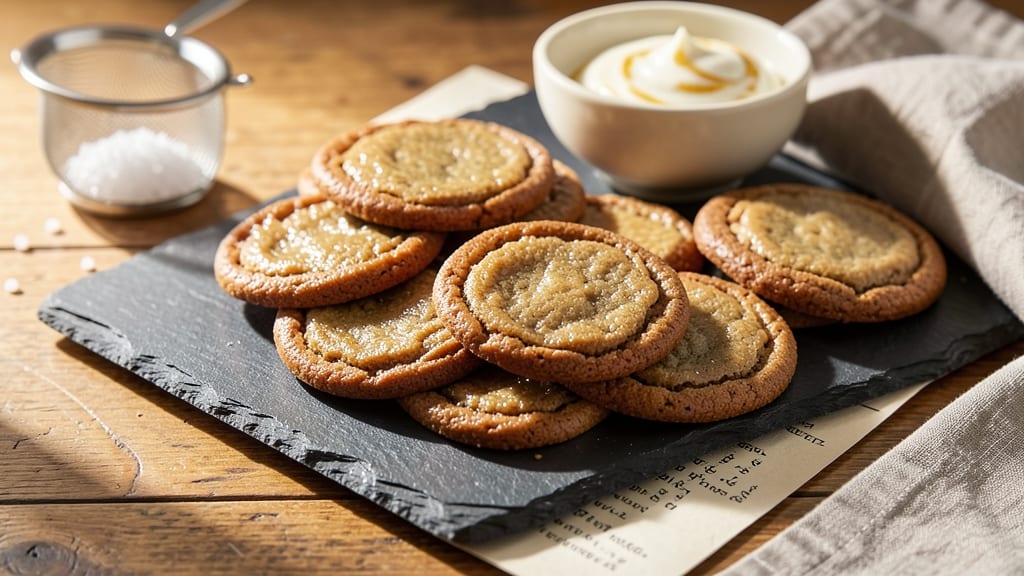
America's Test Kitchen spritz cookie recipe delivers the perfect balance of crispy shells and tender interiors with signature vanilla bean streaks—all without needing foil. The secret lies in precise dough preparation, proper chilling, and oven calibration that ensures consistent results every time.
This method transforms simple ingredients into cookies that look and taste like they came from a professional bakery.
What sets these spritz cookies apart is the technique of rolling and cutting the dough into precise rectangles before baking. Chilling the dough for exactly 30 minutes ensures clean cuts and prevents spreading, while baking at 375°F creates the signature crispy exterior with a tender center.
The addition of vanilla bean paste adds depth of flavor that elevates these cookies from ordinary to extraordinary.
By following these exact steps, you'll achieve cookies with perfectly crisp edges and soft, melt-in-your-mouth centers, all adorned with those beautiful vanilla streaks. The texture contrast is what makes these cookies truly special—each bite delivers a satisfying crunch followed by a tender finish.
This recipe is designed to be foolproof, ensuring you'll get the same results as America's Test Kitchen's expert testers.
Whether you're baking for a holiday gathering or treating yourself to a batch of freshly baked cookies, this method delivers consistent, professional-quality results. The key to success is attention to detail in both preparation and baking, but the reward is well worth the effort.
Let's get started on creating these perfect spritz cookies.
Ingredients for america's test kitchen spritz cookie
Precision ingredients for professional-quality spritz cookies with signature vanilla bean streaks.
| Ingredient | Amount | Notes |
|---|---|---|
| Unsalted Butter 🧈 | 1 cup | Cold, cubed for dough cutting |
| Granulated Sugar 🍚 | ¾ cup | Superfine preferred for smooth texture |
| Vanilla Bean Paste 🌿 | 2 tbsp | High-quality Madagascar vanilla |
| All-Purpose Flour 🌾 | 2 ½ cups | Sifted, plus extra for dusting |
| Diamond Crystal Kosher Salt 🧂 | ½ tsp | Fine grain for even distribution |
| Baking Powder 🍞 | ¼ tsp | Aluminum-free for best results |
| Vanilla Extract 🥄 | 1 tsp | Pure Madagascar vanilla |
| Large Egg Yolk 🥚 | 1 whole | Room temperature for emulsification |
| Heavy Cream 🥛 | ¼ cup | Cold, for dough cutting |
| Turbinado Sugar 🍬 | ¼ cup | Coarse, for sprinkling |
The butter must be cold and cubed—this ensures clean cuts when rolling the dough. European-style unsalted butter (like Plugrá or Échiré) has higher fat content, ideal for crispy shells. Measure the sugar precisely; superfine sugar dissolves better, but pulse granulated sugar in a food processor if needed. Vanilla bean paste is non-negotiable here—Madagascar vanilla provides the depth of flavor that extract can't match. For the flour, King Arthur or Gold Medal brands are excellent choices, but weigh your flour for accuracy if possible. The baking powder should be fresh; aluminum-free ensures proper leavening without metallic aftertaste.
No superfine sugar? Pulse granulated sugar in a food processor for 30 seconds—this creates a finer texture. Vanilla extract in a pinch? Use double the amount, but the paste's seeds are what create those signature streaks. For the egg yolk, room temperature is critical—it emulsifies better with the butter. The heavy cream should be cold to prevent the dough from becoming too soft. Substituting turbinado sugar? Use the same amount, but note it may not dissolve as smoothly. For a gluten-free option, substitute with a 1:1 gluten-free flour blend and reduce the baking powder by 0.125 tsp. The dough must rest exactly 30 minutes—this is non-negotiable for clean cuts.
Store the dough in an airtight container between two sheets of parchment paper for up to 3 days in the refrigerator. The baked cookies keep their crispness for 5 days in an airtight container at room temperature. For long-term storage, freeze the unbaked dough on a parchment-lined tray before transferring to a bag—bake straight from frozen, adding 2-3 minutes to the baking time. The vanilla bean paste can be stored in the refrigerator for up to 1 year once opened. Preheat your oven to 375°F for exactly 10 minutes before baking—this ensures even heat distribution, critical for consistent results.
Why You'll Love This Recipe
- No-Mix Magic: I swear by this dough—just fold, chill, and press. No creaming butter and sugar, no pulsing dough, just three minutes of hands-on work. The secret’s in the cold butter and kosher salt cutting into the flour like butter (literally), creating those signature tender crumbles.
- Vanilla Kiss: That vanilla bean paste isn’t just flavor—it’s depth. One teaspoon of real vanilla transforms simple sugar and butter into something rich and aromatic. Honestly, store-bought extract can’t compete with this.
- Party in a Jar: These freeze like champs, so I make a double batch and stash them for last-minute gatherings. Toss them in a jar with a ribbon—guests will think you slaved, but you’ll be sipping wine while they rave.
- Budget Bakery Win: Five ingredients, zero specialty tools. The kosher salt (and its flaky texture) makes these taste gourmet without the price tag. My grocery bill thanks me every time.
Step-by-step instructions for america's Test Kitchen spritz cookie recipe
Mastering the art of spritz cookies requires precision and patience—here's how to achieve that signature crisp shell and delicate vanilla streak without foil.
Prepare the Dough Base
In a stand mixer fitted with the paddle attachment, combine the 1 cup unsalted butter and 0.75 cup granulated sugar on medium speed until light and fluffy, about 3-4 minutes. This creaming process incorporates air, which is essential for achieving that signature crisp shell. You'll know it's ready when the mixture nearly doubles in volume and becomes pale in color.
Add the 2 tbsp vanilla bean paste and mix for another 30 seconds to fully incorporate. The paste provides a more intense vanilla flavor than extract alone, which is crucial for those beautiful streaks. Scrape down the sides of the bowl to ensure even mixing before proceeding.
Add Wet Ingredients and Mix Thoroughly
In a separate bowl, whisk together the 2.5 cups all-purpose flour, 0.5 tsp diamond crystal kosher salt, and 0.25 tsp baking powder. Sift the flour mixture directly into the mixer bowl with the wet ingredients. With the mixer on low speed, add the 1 whole large egg yolk and mix until just combined—you should still see some flour streaks. Overmixing develops gluten, which can make the cookies tough.
Finally, add the 0.25 cup heavy cream and mix on low speed until the dough comes together. The dough should be smooth and pliable but not sticky. If it feels too dry, add 1 teaspoon of cold water and mix briefly. The dough should hold together when pressed gently between your fingers.
Chill and Pipe the Dough
Divide the dough into 4 equal portions (about 4 ounces each) and flatten each into a 6-inch round on a piece of parchment paper. Wrap each round tightly in plastic wrap and refrigerate for at least 1 hour or up to 24 hours. Chilling firms up the dough, making it easier to pipe and ensuring even baking.
Once chilled, place one dough round on a piece of parchment paper. Using a piped bag fitted with a large star tip, pipe 2-inch circles spaced 1 inch apart on a baking sheet lined with parchment. The dough should be firm enough to hold its shape without spreading too much. Sprinkle each circle lightly with turbinado sugar for added texture and sweetness.
Bake for Crisp Shells
Preheat your oven to 350°F and bake the cookies for 12-14 minutes, rotating the baking sheet halfway through, until the edges are golden brown and the centers look slightly underdone. They'll continue cooking slightly as they cool. The key here is to avoid overbaking—they should be crisp on the outside but still soft and tender inside.
As soon as they come out of the oven, use a small offset spatula to gently press down on the centers of the cookies. This creates the classic depression in the middle, which helps them hold their shape as they cool. Let them cool on the baking sheet for 5 minutes before transferring to a wire rack to cool completely.
Create Vanilla Bean Streaks
Once the cookies are completely cool, use a small offset spatula or the back of a spoon to gently scrape a thin line of vanilla bean paste down the center of each cookie. The paste should be spread thinly but evenly to create the signature streaks. If the paste is too thick, warm it slightly in the microwave for 5-10 seconds to make it easier to spread.
The streaks should be visible but not overly thick—think of them as delicate accents rather than the main focus. Allow the paste to set for 10-15 minutes before serving. These cookies are best enjoyed fresh, with their crisp shells and fragrant vanilla streaks intact.
Pro Tips For Making America'S Test Kitchen Spritz Cookie
- Chill the Dough Properly: The recipe calls for 24 hours in the fridge, but I learned the hard way—don’t rush it. After skipping the full time, my cookies spread like pancakes instead of holding their shape. If you’re short on time, freeze the dough balls for 12 hours instead.
- Use a Digital Scale: Measuring flour by scooping and leveling is a recipe for disaster with these cookies. The ATK recipe relies on precise ratios, and even a tablespoon difference throws off the texture. A digital scale takes seconds and guarantees consistency—no more dry, crumbly cookies or gummy centers.
- Don’t Overmix the Dough: Once you add the flour, stop mixing the second everything comes together. I used to think more mixing = better texture, but that just develops gluten and makes the cookies tough. The dough should look shaggy, not smooth—resist the urge to overwork it.
- Toast the Vanilla Seeds: The recipe specifies vanilla bean paste, but I found toasting the seeds before scraping them into the dough adds depth. Sprinkle the seeds on a dry pan over medium heat for 10 seconds until fragrant—it’s a small step that makes the flavor pop. (Yes, even if you’re impatient like me.)
Creative variations of this america's test kitchen spritz cookie
Classic Chocolate Twist
Swap out the vanilla bean paste for 2 tbsp high-quality cocoa powder (like Valrhona) mixed into the dough base. Add 1 tbsp vanilla extract to keep the flavor profile balanced.
After baking, drizzle each cookie with a thin line of melted dark chocolate (70% cocoa or higher) using a piping bag. For extra flair, sprinkle with flaky sea salt while the chocolate is still wet.
The contrast of bitter chocolate and sweet vanilla creates a sophisticated flavor that feels like a gourmet treat. 🍫
Citrus Zest Variations
Brighten up your spritz cookies by adding 1 tbsp lemon or orange zest to the dough along with the vanilla bean paste. For lemon, use 1 tbsp lemon extract (like Felippo Berio) to complement the zest.
After baking, create delicate streaks with either lemon curd (thinned with water) or orange marmalade (warmed slightly). The citrus notes cut through the richness while keeping the signature texture. Store-bought zest works, but fresh is always better if you have it. 🍊
Spiced Chai Version
Transform these cookies into a cozy fall favorite by adding 1 tsp chai spice blend (cinnamon, cardamom, ginger, cloves, and black pepper) to the dry ingredients. Use 1 tsp vanilla extract instead of the vanilla bean paste for this variation.
After baking, create streaks with warmed spiced honey (mix 2 tbsp honey with ½ tsp cinnamon and pinch of cardamom). The warm spices add depth that pairs beautifully with the crisp texture. This version is perfect for holiday gatherings. 🌿
Salted Caramel Finish
For a decadent twist, add ½ cup caramelized sugar (made by melting ½ cup granulated sugar in a pan until amber) to the dough base. After baking, create streaks with store-bought salted caramel sauce (like Trader Joe's or Ghirardelli) warmed slightly.
Finish with a sprinkle of flaky Maldon salt for a sweet-salty balance. The caramel adds a rich, buttery note that complements the crisp shell perfectly. This version feels indulgent but still maintains the classic technique. 🍯
Almond Joy Fusion
Incorporate ½ cup chopped toasted almonds (plus 1 tbsp almond extract) into the dough for a nutty twist. After baking, create streaks with melted white chocolate (like Guittard) mixed with crushed freeze-dried pineapple (about 2 tbsp).
The combination of almonds, pineapple, and white chocolate mimics the flavors of Almond Joy candy bars. Sprinkle with extra chopped almonds after the white chocolate sets for added texture. This tropical-inspired version is a crowd-pleaser. 🌴
Matcha Green Tea
For a sophisticated, earthy flavor, replace the vanilla bean paste with 1 tbsp high-quality matcha powder (like Ippodo Tea). Add 1 tsp vanilla extract to balance the bitterness.
After baking, create delicate streaks with white chocolate ganache (mix ½ cup white chocolate chips with 2 tbsp heavy cream, then warm until smooth). The matcha adds a subtle umami note that pairs beautifully with the crisp texture.
This version is perfect for tea lovers or those who enjoy unique flavor profiles. 🍵
Nutrition facts
Frequently asked questions
Why does the dough need to chill for 30 minutes before piping?
The 30-minute chill is crucial for two reasons: it firms up the dough so it holds its shape when piped, preventing spreading, and it allows the gluten to relax, ensuring clean cuts. Skipping this step often results in irregular shapes and softer cookies that lose their signature crispness.
Can I use vanilla extract instead of vanilla bean paste?
While you can substitute 2 tbsp vanilla extract for the paste, you'll miss the signature vanilla bean streaks that give these cookies their professional look. The paste's seeds create those beautiful visual accents, plus it delivers a more intense, complex vanilla flavor. For best results, stick with the paste.
What's the best way to store leftover dough?
Wrap the dough rounds tightly in plastic wrap and refrigerate for up to 3 days between two sheets of parchment paper. For longer storage, freeze the unbaked dough on a tray before transferring to a bag—bake straight from frozen, adding 2-3 minutes to the baking time. The dough should be firm but pliable when ready to pipe.
Why did my cookies spread too much during baking?
Overmixing the dough or skipping the chill time are the most common causes. The dough must be firm when piped—if it's too soft, increase the chill time to 1 hour. Also ensure your butter is properly creamed (light and fluffy) and your oven is calibrated at 350°F (use an oven thermometer to confirm).
How do I fix cookies that came out too soft?
If your cookies lack crispness, they likely weren't baked long enough or your oven ran too hot. Try baking at 325°F for 15-17 minutes next time, rotating the pan halfway through. For already-baked cookies, place them on a wire rack in a 200°F oven for 5-10 minutes to crisp up slightly.