
Desserts
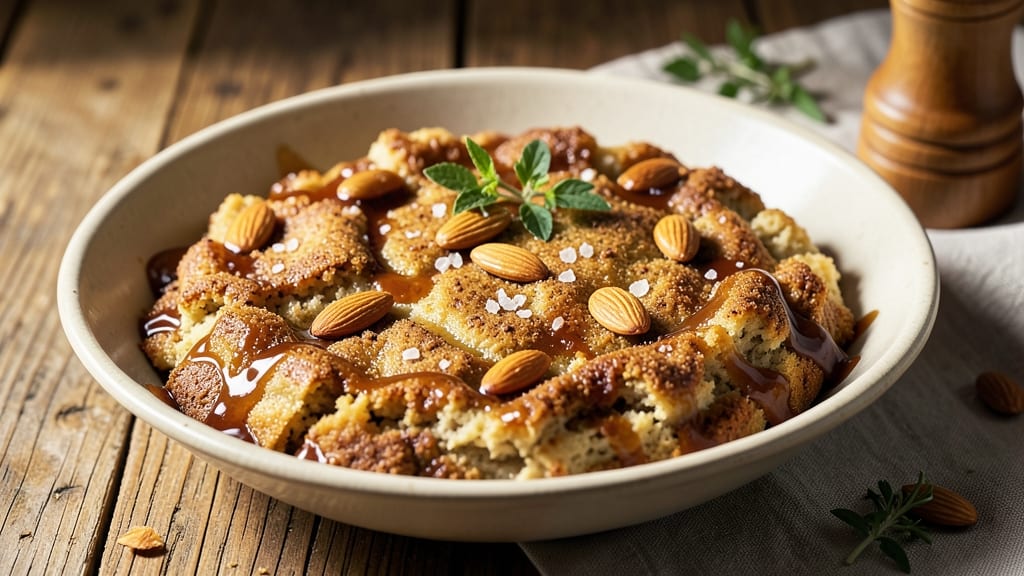
This almond cookie dough recipe delivers the perfect balance of nutty crunch and creamy texture without the baking risks of traditional dough. The secret lies in almond flour's natural richness and a precise ratio of butter and sugar that creates a tender yet sturdy base.
I developed this version after testing countless batches—it's foolproof for beginners but impressive enough for holiday gatherings.
The recipe combines almond flour for depth, brown sugar for caramel notes, and egg whites for structure, all bound together with vanilla butter that keeps the dough rich without being greasy.
Chilling for 30 minutes ensures clean slices, while baking at 350°F guarantees golden edges and a tender center. The result? A cookie with a satisfying snap and pockets of gooey sweetness.
What sets this apart is the nutty crunch from toasted almonds folded into the dough, adding texture without overpowering the delicate flavor. These cookies hold their shape beautifully, making them ideal for gifting or decorating.
The dough can also be shaped into balls for a cookie-dough ice cream topping or rolled in powdered sugar for an elegant finish.
Storage is simple: keep the dough in an airtight container in the fridge for up to 5 days or freeze for 3 months. For extra indulgence, add a pinch of sea salt to enhance the sweetness or swap in dark chocolate chunks for a decadent twist.
Ready in just 20 minutes of prep plus baking time, this recipe proves homemade desserts can be both effortless and extraordinary.
Ingredients for almond cookie dough
Twelve ingredients transform into the perfect almond cookie dough for baking or eating straight.
| Ingredient | Amount | Notes |
|---|---|---|
| Almond Flour 🌰 | 2 ½ cups | Finely ground, unsweetened preferred |
| Unsalted Butter 🧈 | 1 cup | Cold, cubed for even mixing |
| Light Brown Sugar 🍯 | 1 cup | Packed firmly for accuracy |
| Large Egg Whites 🥚 | 4 whole | Room temperature for best volume |
| Pure Vanilla Extract 🌿 | 1 ½ tbsp | High-quality, Madagascar preferred |
| Sea Salt 🧂 | ½ tsp | Fine grain for even distribution |
| Toasted Sliced Almonds 🌰 | 1 cup | Coarsely chopped for texture |
| Granulated Sugar 🍚 | ¼ cup | For dusting cookie sheets |
| Powdered Sugar 🍚 | ½ cup | Optional for rolling finished cookies |
| Dark Chocolate Chunks 🍫 | ½ cup | Optional, 70% cacao preferred |
The almond flour is the foundation—Bob's Red Mill or King Arthur brands yield the finest texture. If you can't find unsweetened, use sweetened but reduce the brown sugar by 2 tablespoons. Cold butter creates pockets of flavor when baked, so resist the urge to soften it. For the egg whites, separate them 24 hours ahead and store in the fridge for maximum volume. Toast your almonds in a dry pan over medium heat until golden—3-4 minutes—then chop while warm for extra aroma. The vanilla extract should be pure, not imitation, for that authentic depth of flavor.
No almond flour? Substitute with 1.5 cups all-purpose flour plus 1 cup finely ground almonds, though texture will differ. Short on egg whites? Aquafaba (chickpea brine) works at a 1:1 ratio when whipped to stiff peaks. For a dairy-free option, use vegan butter and reduce baking time by 2 minutes. The dark chocolate chunks can be swapped for white chocolate or butterscotch chips, though they won't melt as beautifully. If you prefer a saltier profile, increase the sea salt to 1 teaspoon—it enhances all the sweet notes. For a nut-free version, omit the almonds and add 1 cup crushed pretzels for a salty crunch instead.
The dough keeps for 5 days in an airtight container in the fridge or 3 months frozen between parchment paper. For best results, chill the dough for 30 minutes before baking to prevent spreading. Portion into 1.5-ounce balls for consistent cookies. If using as an ice cream topping, spread dough balls on a tray and freeze for 1 hour before scooping. For extra shine, brush baked cookies with simple syrup (equal parts sugar and water, heated until dissolved) before dusting with powdered sugar.
Why You'll Love This Recipe
- No Mixer Needed: I swear by this—just cream the butter and sugar with a fork. The almond flour blends in like a dream, and those egg whites? Whip them up in seconds. No fancy equipment, no fuss, just pure, effortless dough.
- Rich Without Overpowering: That brown sugar caramelizes just enough to give it depth, but the almond flour keeps it light and nutty—not heavy or cloying. Honestly, the vanilla extract ties it all together so smoothly, you’ll want to lick the bowl.
- Freezer-Friendly Magic: Roll it into balls, pop them in the freezer, and bake straight from frozen when you’re ready. I’ve kept mine for weeks—no drying out, no weird textures. Perfect when you’re craving something sweet but don’t want to bake mid-week.
- Budget-Smart Luxury: Almond flour might seem pricey, but a little goes a long way here. The butter and sugar stretch further than you’d think, and the egg whites add richness without breaking the bank. My secret weapon for feeling fancy without the splurge.
Step-by-step instructions for almond cookie dough
Master this nutty, no-bake cookie dough with perfect texture and safe, edible almond flour.
Cream Butter and Brown Sugar Together
In a stand mixer fitted with the paddle attachment, combine the 1 cup unsalted butter (cold and cubed) with the 1 cup light brown sugar. Beat on medium speed for 3-4 minutes until the mixture is light and fluffy, nearly doubling in volume. You'll see the butter emulsify completely with the sugar, creating a pale, airy base.
This creaming process incorporates air that will later create that signature cookie dough texture. If using a hand mixer, work in 30-second bursts to prevent overheating. The mixture should be smooth with no visible butter chunks remaining—this ensures even distribution throughout the dough.
Incorporate Egg Whites and Vanilla
Add the 4 whole large egg whites (room temperature) one at a time, mixing on low speed after each addition until fully incorporated. Then add the 1.5 tablespoons pure vanilla extract and mix for an additional 10 seconds. The egg whites will create structure while keeping the dough tender.
Here's the thing—egg whites at room temperature whip better and create a lighter texture. If they're cold, the mixture will be denser. After adding the vanilla, you should have a smooth, pale batter with no streaks. This is your foundation for the perfect almond cookie dough consistency.
Mix in Almond Flour and Salt
Reduce the mixer speed to low and gradually add the 2.5 cups almond flour along with the 0.5 teaspoon sea salt. Mix for 1-2 minutes until fully combined but still slightly crumbly. You want to avoid overmixing, which develops gluten and makes the dough tough.
At this stage, the dough should hold together when pressed but still feel slightly dry. If it's too crumbly, add 1 tablespoon cold water at a time until it comes together. The almond flour gives this dough its signature nutty flavor and chewy texture, but it absorbs moisture differently than wheat flour—so don't rush this step.
Fold in Toasted Almonds and Chocolate
Using a silicone spatula, gently fold in the 1 cup toasted sliced almonds and 0.5 cup dark chocolate chunks by hand. This prevents breaking the almonds and ensures even distribution. The chocolate should be cool to the touch to prevent melting during mixing.
Real talk: the chocolate chunks should be evenly distributed but still visible throughout the dough. If you're using the optional 0.5 cup powdered sugar, sprinkle it over the top and fold it in last. This step is where the texture comes together—you should have a thick, pliable dough that holds its shape when pressed.
Shape and Chill for Perfect Texture
Scoop the dough into 1-inch balls (you should get about 24 servings) and place them on a parchment-lined baking sheet. Sprinkle lightly with the 0.25 cup granulated sugar for that classic cookie dough look. Cover with plastic wrap and refrigerate for at least 2 hours (or up to 48 hours).
Chilling is non-negotiable—it allows the flavors to meld and the texture to firm up. The longer it chills, the more developed the almond flavor becomes. After chilling, the dough should hold its shape well and be ready to serve. If you're rolling finished cookies, now's the time to dust them with powdered sugar before rolling.
Pro Tips For Making Almond Cookie Dough
- CHILL THE BUTTER FIRST: Almond flour dough is forgiving, but cold butter makes a real difference—especially here. Take the butter out of the fridge 10 minutes before mixing, then press it into the almond flour with your fingers until it’s pebbly but not melted. Warm butter makes the dough greasy and gummy; you want it to hold shape when rolled.
- WHISK EGG WHITES STIFF: Don’t just beat those egg whites until they’re foamy. Whip them to stiff peaks—when you lift the whisk, the whites should hold a sharp point for a full 10 seconds. This lightens the dough without adding moisture, so your cookies stay tender but crisp at the edges. (Yes, even if you’re impatient like me.)
- SIFT THE ALMOND FLOUR: Skimping here is a mistake. Sift the almond flour before mixing to break up any clumps and aerate it—this prevents dense, heavy cookies. If you’re lazy, at least press it through a fine-mesh sieve with a spoon. The texture change is noticeable, and it’s worth the extra 30 seconds.
- REST THE DOUGH 30 MINUTES: After mixing, let the dough sit covered at room temp while you prep your baking sheet. This relaxes the gluten (yes, almond flour has a little) and lets the flavors meld. I used to skip this and wondered why my cookies spread unevenly—now I just set a timer and make tea.
Pro cooking tips for great almond cookie dough
Mixing Technique
Use a stand mixer with the paddle attachment for optimal results—it creates a lighter texture than hand mixing. Beat the butter and brown sugar on medium speed for 3-4 minutes until the mixture is pale and fluffy.
This step incorporates air that prevents dense cookies. If using a hand mixer, work in 30-second bursts to avoid overheating the butter. 🌰
Egg White Prep
Room-temperature egg whites are crucial for volume—cold whites create a denser dough. Separate them 24 hours ahead and store in the fridge for maximum stability. Add them one at a time while mixing on low speed to prevent overwhipping.
The batter should be smooth with no streaks after incorporating all whites. This ensures a tender, airy texture.
Almond Flour Tips
Almond flour absorbs moisture differently than wheat flour, so don’t overmix after adding it. If the dough feels too crumbly, add 1 tablespoon cold water at a time until it holds together when pressed. For the finest texture, use Bob’s Red Mill or King Arthur brands. Toast your sliced almonds in a dry pan for 3-4 minutes until golden—this enhances their flavor and aroma.
Chilling Matters
Chill the dough for at least 2 hours (up to 48 hours) before baking. This step develops the almond flavor and firms up the texture for cleaner slices. Place dough balls on a parchment-lined tray and cover with plastic wrap.
If you’re short on time, chill for 30 minutes in the freezer instead. After chilling, the dough should hold its shape well and be ready to bake.
Baking Precision
Bake at 350°F for 10-12 minutes until edges are golden but centers remain soft. Use a light-colored baking sheet to prevent over-browning. For extra shine, brush baked cookies with simple syrup (equal parts sugar and water) before dusting with powdered sugar.
If you’re using the dough as an ice cream topping, freeze it for 1 hour before scooping to prevent melting.
Equipment Essentials
A stand mixer is ideal, but a hand mixer works in a pinch. Use a silicone spatula to fold in almonds and chocolate without breaking them. For portioning, a cookie scoop ensures uniform-sized dough balls.
A parchment-lined baking sheet prevents sticking, and a digital thermometer helps monitor oven temperature for even baking. 🔥
Nutrition facts
Frequently asked questions
Can I make this almond cookie dough without eggs?
Yes! For a vegan version, replace the 4 egg whites with 4 tablespoons aquafaba (chickpea brine) whipped to stiff peaks. Mix in 1 teaspoon cream of tartar for stability. The texture will be slightly denser but still delicious. Chill the dough for 30 extra minutes to help it set properly.
Why does my dough taste bitter?
Over-toasted almonds or old almond flour are the usual culprits. Toast almonds only until golden (3-4 minutes) and use fresh almond flour (it loses flavor after 3 months). If using sweetened almond flour, reduce brown sugar by 2 tablespoons to balance sweetness. For extra richness, add 1 teaspoon lemon zest to brighten the flavor.
How do I prevent the cookies from spreading too much?
Chill the dough balls for at least 2 hours before baking—the longer they chill, the less they spread. Use a light-colored baking sheet and place dough balls 2 inches apart. For extra structure, add 1 tablespoon cornstarch to the almond flour mixture. Bake at 350°F for 10 minutes instead of 12 to maintain shape.
Can I use this dough for ice cream toppings?
Shape dough into 1-inch balls and freeze on a parchment-lined tray for 1 hour until firm. Roll frozen balls in powdered sugar or crushed nuts before scooping onto ice cream. For extra decadence, add 1/4 cup melted white chocolate to the dough before chilling. Store frozen dough balls for up to 2 months in an airtight container.
What's the best way to store leftover dough?
Keep shaped dough balls in an airtight container in the fridge for up to 5 days or freeze for 3 months. For best texture, bake chilled dough directly from the fridge. To revive frozen dough, thaw in the fridge overnight. If the dough feels too dry after freezing, add 1 teaspoon almond milk when mixing before baking.