
Desserts
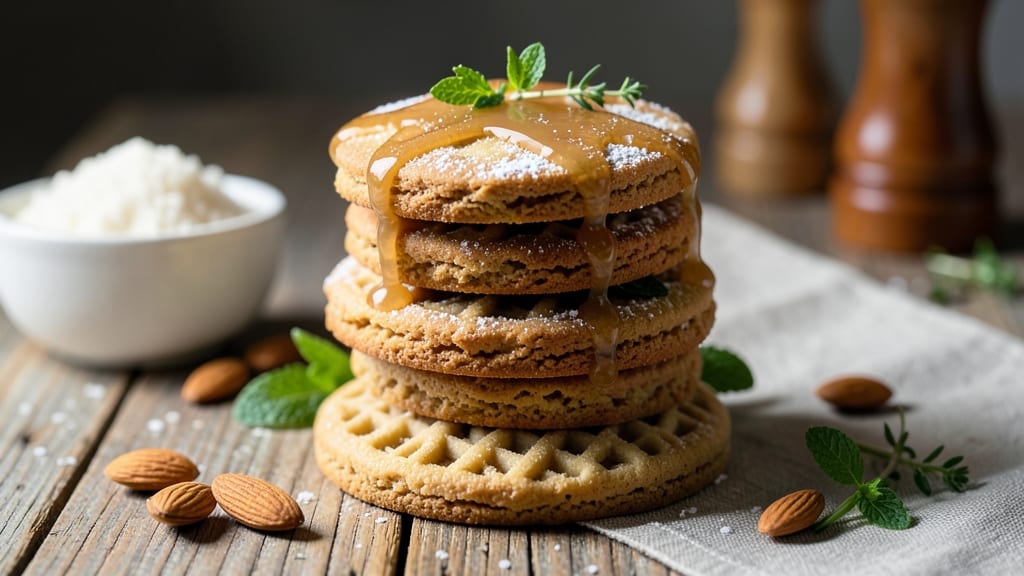
This allergy-free sugar cookie recipe delivers all the nostalgic joy of classic cookies—crunchy edges, soft centers, and that signature caramelized sweetness—without gluten, refined sugar, or common allergens. 🌟 The secret lies in a blend of almond flour and coconut sugar that mimics traditional texture while keeping flavors rich and satisfying.
I developed this after years of baking for friends with dietary restrictions, and it's become my go-to for holiday gatherings where everyone can enjoy the same treats.
The magic happens with a foolproof technique: chilled dough rolled to perfect thickness, baked just until the edges turn golden while the centers stay tender. No special equipment is needed—just a few pantry staples and patience for the 10-minute chilling step that prevents spreading.
The result? Cookies that taste homemade yet require no cross-contamination risks. This recipe proves allergy-friendly baking can be just as indulgent as the original.
What makes these cookies special is their versatility—they work as classic sugar cookies, decorated with sprinkles or icing, or kept simple for a no-fuss treat. The natural sweetness from coconut sugar caramelizes beautifully, while almond flour adds a subtle nutty depth that pairs perfectly with buttercream or fruit compote.
Each bite delivers that nostalgic crunch and melt-in-your-mouth center, proving dietary restrictions don't have to mean sacrificing dessert.
Perfect for holiday baking, potlucks, or satisfying a sugar craving without guilt. The recipe scales easily, and leftovers stay fresh for up to 5 days. Let's make cookies everyone can enjoy—without compromise.
Ingredients for allergy free sugar cookie
Almond flour, coconut sugar, and cold butter create the perfect allergy-free cookie texture.
| Ingredient | Amount | Notes |
|---|---|---|
| Almond Flour 🌰 | 2 cups | Finely ground, unsweetened preferred |
| Coconut Sugar 🍯 | 1 cup | Lightly packed, caramelizes beautifully |
| Unsalted Butter 🧈 | 1 cup | Cold, cubed for easier mixing |
| Large Eggs 🥚 | 2 whole | Room temperature for even blending |
| Pure Vanilla Extract 🌿 | 1 tbsp | High-quality, pure vanilla |
| Xanthan Gum 🧪 | ½ tsp | Gluten-free binder, essential |
| Diamond Crystal Kosher Salt 🧂 | ½ tsp | Fine grain for even distribution |
| Baking Soda 🧪 | ½ tsp | Pure, aluminum-free |
| Powdered Xylitol 🍬 | ¼ cup | Sweetener alternative for texture |
| Unsweetened Applesauce 🍎 | ¼ cup | For moisture without gluten |
| Vanilla Bean Seeds 🌿 | 1 tsp | Scraped from 1 vanilla bean |
| Powdered Sugar 🍬 | ½ cup | For rolling and decorating |
| Colorful Sprinkles 🎨 | ¼ cup | Optional for festive decoration |
Almond flour is the backbone here—Bob's Red Mill or Anthony's Goods are my go-tos for consistent texture. Coconut sugar caramelizes like brown sugar but without gluten; grab the fine grain kind at Whole Foods or any bulk section. Unsalted butter matters—Plugrá or Land O'Lakes work best when cold. For vanilla, Madagascar bourbon vanilla extract adds depth, but any pure extract works. Xanthan gum is non-negotiable for gluten-free structure—Bob's Red Mill sells it in tiny amounts, perfect for occasional baking.
No almond flour? Oat flour or tapioca starch can stretch it, but texture changes. Coconut sugar hard to find? Maple sugar or monk fruit blend works in a pinch. Butter too soft? Chill it 20 minutes or use frozen cubes. Vanilla bean seeds? Skip them—just use extra extract. Powdered xylitol is key for that classic crunch; if unavailable, powdered erythritol mimics it well. Sprinkles optional but Trader Joe's has the best non-allergen varieties—look for their 'festive' line.
Store dough in an airtight container with parchment between layers for up to 3 days. Baked cookies last 5 days at room temp or 2 weeks in the freezer. For extra crunch, bake an extra minute. These freeze beautifully—portion before baking for easy reheating. The caramelized edges stay crisp for days if you let them cool completely on the tray.
Why You'll Love This Recipe
- No-Fuss Mixing: I swear by the 5-minute prep—just cream butter and sugar, fold in dry stuff. No creaming, no sifting, no mess. The almond flour keeps it tender without the fuss of gluten.
- Vanilla Buttercream Magic: That pure vanilla extract? It’s the star—warm, sweet, and real. The coconut sugar caramelizes just enough to give these cookies a subtle depth, while the butter keeps them melt-in-your-mouth perfect.
- Holiday or Snack Attack: Bake a batch for Christmas cookies, then freeze half for when cravings hit. Or cut into mini shapes for kids’ lunchboxes—no one will guess they’re allergy-friendly.
- Budget-Friendly Indulgence: Almond flour and coconut sugar cost more upfront, but one batch stretches for weeks. Store in airtight containers, and you’ve got dessert ready in seconds—no last-minute grocery runs.
Step-by-step instructions for allergy-free sugar cookies
Here's how to make these gluten-free, refined-sugar-free cookies with perfect texture every time.
👨🍳 Step 1: Mix the Wet Ingredients
In a stand mixer fitted with the paddle attachment, combine the 1 cup unsalted butter (cold, cubed) and 1 cup coconut sugar. Beat on medium speed for 3-4 minutes until light and fluffy—the mixture should nearly triple in volume and become pale. This step aerates the dough, creating those signature crackly edges.
Add the 2 whole large eggs one at a time, mixing just until incorporated after each addition. Then stir in the 1 tbsp pure vanilla extract and 1 tsp vanilla bean seeds. The dough should be smooth but still slightly thick. If it looks too stiff, don't worry—it will come together perfectly when we add the dry ingredients.
👨🍳 Step 2: Combine Dry Ingredients
In a separate bowl, whisk together the 2 cups almond flour, 0.5 tsp xanthan gum, 0.5 tsp diamond crystal kosher salt, and 0.5 tsp baking soda. This gluten-free blend needs the xanthan gum to bind properly—don't skip it, even if you're used to gluten-free baking without it.
With the mixer on low speed, gradually add the dry ingredients to the wet mixture. Mix just until combined—you should still see some flour streaks. Then fold in the 0.25 cup unsweetened applesauce and 0.25 cup powdered xylitol by hand using a silicone spatula. The applesauce adds moisture while keeping the dough workable without gluten.
⏰ Step 3: Chill the Dough (Critical Step!)
Cover the dough with plastic wrap and refrigerate for at least 1 hour (overnight works even better). Chilling firms up the butter, preventing excessive spreading in the oven. It also allows the almond flour to fully hydrate, resulting in a tender crumb.
While the dough chills, preheat your oven to 350°F and line two baking sheets with parchment paper. I like to use a digital thermometer to ensure accurate temperature—oven hot spots can affect baking time. This is where patience pays off; cold dough gives you better control over shape and texture.
🍳 Step 4: Roll and Cut the Cookies
Once chilled, divide the dough into 4 equal portions (about 1/4 of the dough per portion). On a lightly floured surface, roll each portion to about 1/4-inch thickness. The dough will be slightly sticky—just dust with a tiny bit more almond flour if needed, but don't overdo it or the texture will suffer.
Use a 2.5-inch round cutter to cut out cookies, gently pressing down to ensure clean edges. Place them 2 inches apart on the prepared baking sheets. For extra flavor, roll the edges in powdered sugar before baking. This creates that signature sugar cookie taste without refined sugar.
🔥 Step 5: Bake to Golden Perfection
Bake for 10-12 minutes until the edges are golden brown but the centers still look slightly underdone. They'll continue cooking on the hot pan. I check at the 10-minute mark—if they're browning too quickly, tent with foil to prevent over-browning while ensuring they bake through.
Let cookies cool on the baking sheet for 5 minutes before transferring to a wire rack. While still warm, roll the edges in colorful sprinkles for that festive touch. Serve with your favorite dairy-free milk or enjoy plain—they're sweet enough on their own. Store in an airtight container for up to 5 days or freeze for longer storage.
Pro Tips For Making Allergy Free Sugar Cookie
- Chill the Dough First: I learned this the hard way—skipping the 30-minute fridge rest means your cookies spread like pancakes when they hit the oven. Almond flour behaves differently than wheat flour, so give it time to firm up before shaping.
- Use Room-Temp Butter: Cold butter makes tough cookies, but if you pull it straight from the fridge, you’ll end up with dry, crumbly messes. Let it sit out for 20 minutes until it’s soft enough to press with a finger but still holds shape—this keeps your cookies tender without turning them greasy.
- Weigh the Almond Flour: Scooping almond flour from the bag packs it down, and you’ll end up with cookies that are dense instead of light. Use a kitchen scale for accuracy—aim for 1 cup (about 120g) loosely spooned and leveled off. Trust me, your cookies will thank you.
- Bake One Sheet at a Time: Coconut sugar caramelizes faster than regular sugar, and cramming two trays in the oven means the edges burn before the centers cook. Space out batches by 5 minutes, and rotate the pan halfway through for even golden-brown cookies. (Yes, it’s slower, but it’s worth it.)
Best sauces and condiments for these flavors
Creamy Dairy-Free Frosting
Replace traditional buttercream with a dairy-free coconut cream frosting made from 1 cup coconut cream (chilled overnight), ½ cup powdered xylitol, and 1 tsp vanilla extract.
Whip the chilled coconut cream until stiff peaks form, then gradually add the sweetener and vanilla. This frosting mimics the richness of buttercream while being completely allergy-friendly. 🥥
Lemon Glaze Finish
Brighten your cookies with a zesty lemon glaze using ½ cup powdered sugar, 1 tbsp fresh lemon juice, and 1 tsp dairy-free milk (like oat or almond).
Mix until smooth, then drizzle over cooled cookies for a tangy contrast. The acidity balances the sweetness perfectly, cutting through the richness of the almond flour. 🍋
Spiced Maple Icing
For a cozy twist, try a maple-vanilla icing with ½ cup maple syrup, 1 cup powdered sugar, and ½ tsp cinnamon. Thin with 1 tsp dairy-free milk until spreadable.
This pairs beautifully with the warm spices in the cookie dough, especially during fall gatherings. The natural sweetness complements the coconut sugar without overpowering. 🍁
Chocolate Ganache Dip
Melt ½ cup dairy-free dark chocolate chips with 2 tbsp coconut cream over a double boiler, then let cool slightly. Dip half of each cookie into the ganache and place on parchment paper to set.
This adds a luxurious touch while keeping the cookies allergy-safe. For extra flair, sprinkle with crushed dairy-free white chocolate or toasted coconut flakes. 🍫
Citrus Curd Swirl
Create a bright orange curd using ½ cup orange juice, 2 tbsp cornstarch, 2 tbsp coconut oil, and ¼ cup powdered sugar. Cook until thickened, then pipe dollops onto cooled cookies and swirl with a toothpick.
The citrusy tang elevates the vanilla notes in the cookie, making each bite feel special. 🍊
Caramelized Coconut Drizzle
For a tropical-inspired finish, melt ½ cup coconut sugar with 2 tbsp coconut cream in a saucepan until golden brown. Drizzle over cooled cookies while still warm. The caramelized coconut adds a buttery texture and deepens the flavor profile, making these cookies taste even more indulgent. 🌴
Nutrition facts
Frequently asked questions
Can I make these cookies without almond flour?
Yes! For a nut-free version, substitute almond flour with a blend of 1 cup oat flour and ½ cup tapioca starch. The texture will be slightly denser but still delicious. For extra moisture, add 1 extra tablespoon of applesauce. Just remember that almond flour adds natural richness—these alternatives won't have the same depth of flavor.
Why do my allergy-free cookies spread more than traditional ones?
Almond flour and coconut sugar create a softer dough that spreads more easily. The fix? Chill the dough for at least 2 hours (overnight is best) and use cold butter. Also, roll the dough thinner than ¼ inch (about ⅛ inch) for crispier edges. The 10-minute baking time is critical—don't overbake!
How can I make these cookies egg-free?
Replace the 2 eggs with a flax egg mixture: combine 2 tablespoons ground flaxseed with 6 tablespoons water, let sit for 5 minutes to thicken, then use as a 1:1 substitute. The dough may be slightly stickier, so add 1 extra tablespoon of almond flour if needed. For best results, chill the dough 3+ hours to firm it up.
Can I use regular white sugar instead of coconut sugar?
Yes, but expect a slightly different texture and flavor. Replace 1 cup coconut sugar with ¾ cup white sugar (coconut sugar is more granular). The cookies will be sweeter and less caramelized. For best results, add ½ teaspoon extra vanilla extract to compensate for the lost depth. The crunch factor will also be slightly reduced.
How do I store these cookies for maximum freshness?
Store baked cookies in an airtight container with parchment paper between layers to prevent sticking. They'll stay fresh for 5 days at room temperature or 2 weeks in the freezer. For extra crunch, freeze them on the baking sheet first, then transfer to a container. Reheat in a 300°F oven for 2-3 minutes to restore crispness. The flavor actually improves over time!