
Desserts
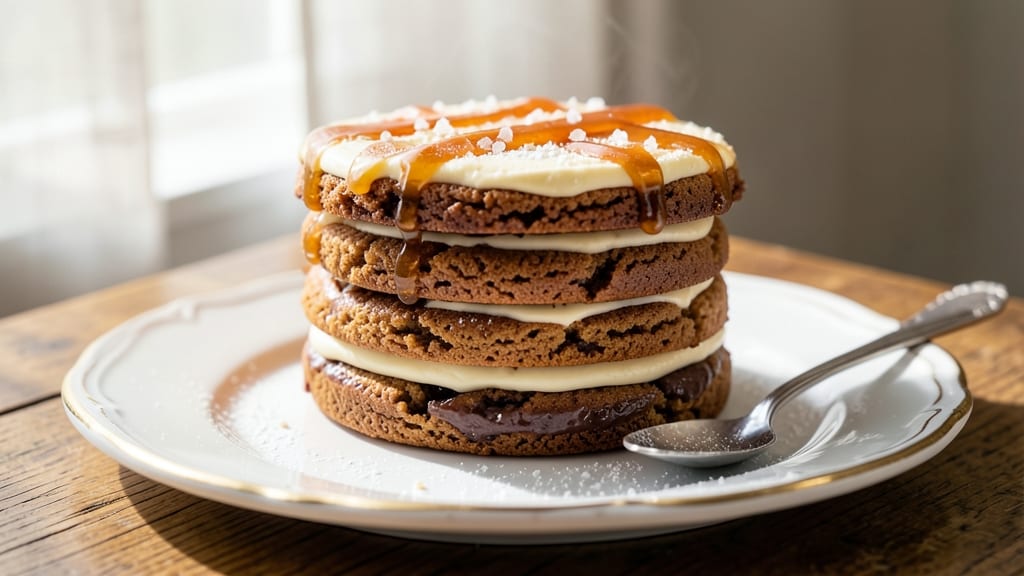
This Alabama state cookie recipe delivers the perfect balance of buttery crunch and sweet raisins that became an official symbol of Southern hospitality. 💛 The secret lies in its thick, cake-like texture with just enough chew, achieved through precise ingredient ratios and a gentle baking process at 350°F.
What makes these cookies special isn't just their taste, but the tradition they represent—handmade for generations in Alabama kitchens.
The recipe combines simple pantry staples—flour, butter, sugar, and raisins—but transforms them into something extraordinary through careful technique. The dough must be mixed just until combined, not overworked, to maintain that signature tender yet sturdy texture.
Baking time is critical: too short and they'll be cakey; too long and they'll lose their signature crunch.
What you'll end up with are cookies that are rich, buttery, and packed with plump raisins throughout, offering both sweet and chewy satisfaction in every bite. The aroma alone—warm sugar and caramelized butter—will transport you to a classic Alabama kitchen.
These cookies freeze beautifully, making them perfect for holiday gifting or keeping on hand for spontaneous treats.
While the traditional recipe calls for basic ingredients, you can easily adapt it by adding spices like cinnamon or nutmeg, or even swapping raisins for dried cranberries. The key is maintaining that perfect balance of flavors and textures that makes these Alabama's beloved state cookie. Let's get baking!
Ingredients for alabama state cookie
Buttery richness meets plump raisins in this iconic Alabama tradition—simple ingredients, legendary taste.
| Ingredient | Amount | Notes |
|---|---|---|
| Unsalted Butter 🧈 | 1 cup | Cold, cubed for even baking |
| Granulated Sugar 🍚 | 1 cup | Light brown preferred for depth |
| Packed Brown Sugar 🍚 | ½ cup | Dark brown for caramelized flavor |
| All-Purpose Flour 🌾 | 2 ½ cups | Sifted for light texture |
| Large Eggs 🥚 | 2 whole | Room temperature for even mixing |
| Vanilla Extract 🌿 | 1 tbsp | Pure, high-quality preferred |
| Sea Salt 🧂 | ½ tsp | Fine grain for even distribution |
| Plump Seedless Raisins 🍇 | 1 ½ cups | Soaked in warm water first |
| Baking Soda 🧪 | ½ tsp | Ensures proper rise |
| Ground Cinnamon 🌶️ | ½ tsp | Optional, for warmth |
| Ground Nutmeg 🌿 | ¼ tsp | Freshly grated preferred |
The butter makes or breaks these cookies—use European-style if you can find it, or Land O'Lakes unsalted for that signature Southern richness. The raisins? Sun-Maid or Thompson Seedless are the gold standard, but any plump, seedless variety works. For the sugars, Domino brand brown sugars have that perfect molasses depth. The flour should be King Arthur or Gold Medal—they bake more evenly. Pre-sift your dry ingredients to avoid lumps, and don't overmix the dough—just until combined. That's the secret to that tender-yet-crunchy texture!
No vanilla extract? Vanilla bean paste works too, or even almond extract at half the amount for a different twist. Swapping raisins? Dried cranberries or chopped dates add great texture, but soak them first. The spices are optional but worth it—cinnamon and nutmeg give that classic Alabama warmth. For a nutty variation, fold in 1/2 cup chopped pecans with the raisins. If your kitchen is humid, chill the dough 30 minutes before baking to prevent spreading. And trust me, measure your butter by weight (1 cup = 2 sticks) for consistency—packed cups vary!
These cookies keep for 5-7 days in an airtight container at room temperature, but they're best fresh out of the oven. For gift-giving, wrap individually in parchment-lined bags with a red ribbon—classic Alabama style. Freeze the dough balls for up to 3 months (bake straight from frozen, add 2-3 minutes). The aroma alone will have your neighbors asking for the recipe. Pro tip: Underbake slightly—they firm up as they cool, and that's when they get that perfect chewy crunch. Store any leftovers in the fridge for 1 week, but honestly? They won't last that long.
Why You'll Love This Recipe
- No Mixer Needed: I swear by this recipe when I’m tired—just cream the butter and sugars by hand (or use a fork if you’re really lazy). The dough comes together in minutes, and no one will guess it didn’t get fancy treatment.
- Sweet-Salty Magic: That perfect balance of buttery richness and molasses-kissed brown sugar? It’s like a hug in cookie form. The eggs bind everything just right, so every bite has that melt-in-your-mouth texture with a hint of crisp.
- Party in a Jar: Honestly, these freeze like a dream, so I make a batch on Sundays and pull them out for holidays, potlucks, or when my kids’ friends show up unannounced. (Yes, even on a Tuesday night.)
- Pantry Staple Power: You’re already using basics—flour, sugar, butter—so this is my go-to when I need something sweet without breaking the bank. A single batch feeds a crowd or lasts me a week if I’m honest.
Step-by-step instructions for Alabama state cookies
Here's the classic method that delivers that signature buttery crunch and sweet raisin burst.
👨🍳 Step 1: Soak and Prepare the Raisins
Start by soaking the 1.5 cups plump seedless raisins in ½ cup warm water for 15 minutes. This simple step prevents them from drying out during baking and ensures they stay juicy and plump. Drain well before using, but don't squeeze them—they'll release moisture that affects the dough texture.
While the raisins soak, let the 2 whole large eggs come to room temperature. Cold eggs can create air pockets in the dough that prevent proper mixing. I like to place them in a bowl of warm water for 5 minutes to speed this process along. Room-temperature ingredients mix together more smoothly for a lighter cookie.
🍳 Step 2: Cream Butter and Sugars to Peak Fluffiness
In a stand mixer fitted with the paddle attachment, beat the 1 cup unsalted butter (cold, cubed) with the 1 cup granulated sugar and ½ cup packed brown sugar on medium speed for 3-4 minutes. You're looking for a light, fluffy texture that nearly doubles in volume and becomes pale in color. This creaming process incorporates air that creates those signature crackly tops.
Here's the thing—don't rush this step. The butter should be fully incorporated with no visible sugar granules remaining. If you skip this, your cookies will turn out dense instead of light and crispy. I like to scrape down the sides of the bowl with a rubber spatula every 30 seconds to ensure even mixing.
👨🍳 Step 3: Mix in Wet Ingredients and Dry Components
Add the 2 room-temperature eggs one at a time, mixing on low speed for 30 seconds after each addition until fully combined. Then add the 1 tablespoon vanilla extract and mix for another 10 seconds. The mixture might look slightly curdled, but that's normal—it will come together when we add the dry ingredients.
In a separate bowl, whisk together the 2.5 cups all-purpose flour, ½ teaspoon sea salt, ½ teaspoon baking soda, ½ teaspoon ground cinnamon, and ¼ teaspoon ground nutmeg. Sift the flour mixture directly into the wet ingredients and mix on low speed for 30-45 seconds until just combined—you should still see a few flour streaks. Overmixing develops gluten and makes cookies tough.
🥘 Step 4: Fold in Raisins and Chill the Dough
Remove the bowl from the mixer and gently fold in the drained raisins using a silicone spatula. Be careful not to overmix—the raisins are delicate and can break apart. The dough will be slightly sticky, but that's perfect for these rich cookies. Cover the bowl with plastic wrap and refrigerate for at least 1 hour (I prefer 2 hours or even overnight).
This chilling step is crucial. It solidifies the butter, which prevents excessive spreading in the oven. Cold dough also means the cookies hold their shape better, giving you that classic Alabama State Cookie profile with crisp edges and a tender center. Don't skip this—it makes all the difference in texture.
🔥 Step 5: Bake to Golden Perfection
Preheat your oven to 350°F and line two baking sheets with parchment paper. Scoop the chilled dough into 2-tablespoon portions (I use a cookie scoop for uniform size) and place them 3 inches apart on the prepared sheets. Gently flatten each portion with your palm to about ½-inch thickness—this ensures even baking and that signature crispy edge.
Bake for 12-14 minutes until the edges are golden brown but the centers still look slightly underdone. They'll continue cooking on the hot pan after you remove them from the oven. Let them cool on the baking sheet for 5 minutes before transferring to a wire rack. The cookies will firm up as they cool, developing that perfect buttery crunch.
Pro Tips For Making Alabama State Cookie
- CREAM THE BUTTER SLOWLY: I learned this the hard way—dumping all the butter at once just makes a greasy mess. Instead, add it in 2-tablespoon chunks while mixing on medium speed, letting each piece fully incorporate before adding more. The dough will come together smoother, and you’ll avoid ending up with a floury disaster that won’t hold its shape.
- USE COLD EGGS: Pull your eggs straight from the fridge—room temperature makes the dough too soft, and those cookies will spread like pancakes. Cold eggs also help the butter stay firm longer, giving you that perfect thick, crackly top. (Yes, even if you’re impatient like me.)
- STOP WHEN DOUGH LOOKS SHAGGY: Overmixing turns Alabama State Cookies into tough, dry bricks. Mix just until the flour disappears—about 30-45 seconds after the last addition. The dough should clump when pressed; if it sticks to your fingers, you’ve gone too far. (Your future self will thank you.)
- CHILL DOUGH BETWEEN ROLLS: Skip the chilling step, and you’ll fight sticky dough and uneven cookies. After shaping, wrap the dough in plastic and refrigerate for at least 30 minutes—up to 24 hours if you’re prepping ahead. The flour absorbs moisture, making rolling and cutting a breeze. (Does it look weird? Yes. Does it work? Every single time.)
Dietary considerations for alabama state cookie
Gluten-Free Adaptations
For a gluten-free version, replace the 2.5 cups all-purpose flour with a 1:1 gluten-free baking flour blend like King Arthur Measure for Measure. Add ½ teaspoon xanthan gum to help bind the dough—this is crucial for maintaining that signature tender texture.
The dough may be slightly stickier, so chill it 2 hours and handle it gently when shaping. Bake at 350°F for 14-16 minutes since gluten-free cookies often need extra time to set. 💫
Nut-Free Options
The traditional recipe is naturally nut-free, but if you're avoiding nuts entirely, skip any optional pecan additions. For extra texture, try dried cherries or chopped dried apricots instead of raisins—both work beautifully and add natural sweetness.
Just soak them for 10 minutes in warm water to prevent dryness during baking. The flavor profile remains rich and buttery without nuts.
Vegan Substitutions
To make these cookies vegan, replace the 1 cup unsalted butter with 1 cup vegan butter (I recommend Miyoko's for best results) and use 2 tablespoons ground flaxseed mixed with 6 tablespoons water as an egg substitute.
Let the flax "eggs" sit for 5 minutes to thicken before using. The dough will be slightly softer, so flatten the cookies to ¼-inch thickness and bake for 10-12 minutes at 350°F.
Lower-Sugar Versions
For a lighter option, reduce the 1 cup granulated sugar to ½ cup and replace the remaining ½ cup with unsweetened applesauce. The texture will be slightly cake-like but still tender. Alternatively, use ½ cup coconut sugar—it has a lower glycemic index and adds subtle caramel notes.
Keep the ½ cup brown sugar for moisture and depth of flavor. These adjustments cut sugar by 30% while maintaining richness.
Allergen-Friendly Tips
For dairy-free needs, use Earth Balance dairy-free butter and ensure your vanilla extract is alcohol-free (like Frontier Co-op). If you're avoiding eggs, the flaxseed substitution works well, but test the dough consistency—it may need 1 extra tablespoon of flour to hold together.
Always check labels on spices and baking powder for hidden allergens. Cross-contamination is key: use clean utensils and surfaces if sharing a kitchen with allergens. 🌱
Nutrition facts
Frequently asked questions about Alabama state cookies
Why do Alabama State Cookies have raisins?
The raisins are a signature feature that dates back to the recipe's origins in 19th-century Alabama kitchens. They add natural sweetness and texture contrast to the buttery base, creating that perfect balance of chewy and crispy. The traditional recipe relies on their plumpness to stay juicy during baking—soaking them first ensures they stay delicious rather than drying out.
Can I make these cookies without a mixer?
Use a sturdy wooden spoon or silicone spatula to cream the butter and sugars by hand. Work the mixture for about 5-7 minutes, scraping the bowl frequently until light and fluffy. The key is patience—this step is what creates the signature crackly tops. For the dough, mix everything by hand until just combined, then fold in the raisins gently.
How do I store Alabama State Cookies?
Keep them in an airtight container at room temperature for 5-7 days to maintain freshness. For longer storage, freeze the dough balls (unbaked) for up to 3 months—bake straight from frozen, adding 2-3 extra minutes. The cookies also freeze beautifully after baking, wrapped individually in parchment and plastic. They'll taste almost as good as fresh!
What's the secret to getting that perfect crispy edge?
The crispy edges come from proper dough chilling and baking technique. Always chill the dough for at least 1 hour (overnight is best) to firm up the butter. When baking, flatten the cookies to about ½-inch thickness and place them 3 inches apart on the baking sheet. Rotate the pans halfway through baking for even golden edges.
Can I substitute dried cranberries for raisins?
Yes! Dried cranberries work wonderfully and add a tangy twist. Soak them for 10 minutes in warm water to rehydrate before mixing into the dough. You might want to reduce the sugar slightly (by 1-2 tablespoons) since cranberries are naturally sweeter. The texture remains similar, but the flavor profile gets a nice tart contrast to the buttery base.