
Desserts
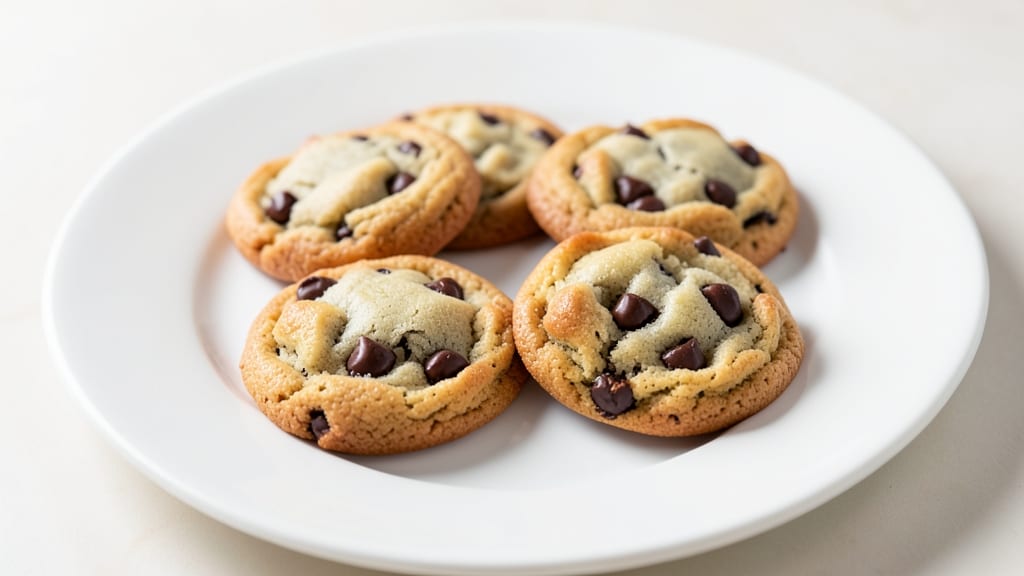
Adding cornstarch to cookie dough transforms your treats into the perfect balance of crispy edges and tender centers—without sacrificing that melt-in-your-mouth magic. 💛 The secret lies in how cornstarch absorbs moisture differently than flour, creating that coveted "sandpaper crunch" while keeping the interior soft.
This technique is a game-changer for anyone who's ever struggled with cookies that either spread too much or turn out too dense.
Most cookie recipes rely on all-purpose flour, but replacing just 1-2 tablespoons of flour with cornstarch per cup of flour in the recipe creates a dramatic difference. The cornstarch adds structure while reducing gluten formation, which means your cookies will hold their shape better and develop that signature crispy texture.
The key is to mix it thoroughly with your dry ingredients before adding wet components, ensuring even distribution.
When baked, these cookies emerge with a golden, almost glass-like crust that shatters slightly when bitten, while the inside remains tender and chewy. The cornstarch also helps cookies brown more evenly, giving them that restaurant-quality appearance.
This method works especially well for chocolate chip, shortbread, and snickerdoodle cookies, where texture is everything.
The best part? You won’t notice any extra effort—just a slight adjustment in ingredients and a minor tweak to your mixing technique. Let’s get started on cookies that will have everyone asking for the recipe.
Ingredients for adding cornstarch to cookie
Fourteen ingredients, one game-changing tweak for restaurant-quality texture every time.
| Ingredient | Amount | Notes |
|---|---|---|
| All-Purpose Flour 🌾 | 2 ½ cups | Sifted for even distribution |
| Cornstarch 🍚 | ¼ cup | Key for crispy texture |
| Unsalted Butter 🧈 | 1 cup | Cold, cubed for even baking |
| Granulated Sugar 🍚 | 1 cup | White or light brown |
| Packed Brown Sugar 🍚 | ½ cup | For chewy texture |
| Large Eggs 🥚 | 2 whole | Room temperature preferred |
| Vanilla Extract 🍯 | 2 tsp | Pure extract recommended |
| Salt 🧂 | 1 tsp | Diamond Crystal preferred |
| Baking Soda 🧪 | ½ tsp | Ensures proper rise |
| Semisweet Chocolate Chips 🍫 | 1 ½ cups | High-quality, 60% cocoa |
| Flaky Sea Salt 🧂 | 1 tsp | For finishing cookies |
The cornstarch is non-negotiable here—Bob's Red Mill or Arrowhead Mills are my go-tos for consistent results. Look for fine-ground cornstarch; anything coarse will disrupt the delicate texture. The flour matters too: King Arthur or Gold Medal all-purpose flour ensures proper gluten development without overpowering the cornstarch's crisping effect. Store your cornstarch in an airtight container away from moisture—it absorbs humidity like crazy. For the butter, Plugrá or Land O'Lakes unsalted sticks work perfectly, but let them sit at room temperature before creaming to avoid developing gluten too early.
No cornstarch? Arrowroot powder at the same ratio works in a pinch, though texture will be slightly less crisp. Substituting tapioca starch (like Tapioca Pearl) gives a similar effect but leans more chewy. The chocolate chips can be swapped for white chocolate chunks or dark chocolate chunks, but adjust sweetness accordingly—white chocolate is milder. If you're avoiding eggs, flax eggs (2 tbsp ground flaxseed + 6 tbsp water) maintain moisture without compromising structure. For the sugars, coconut sugar can replace brown sugar at a 1:1 ratio, though it has a distinct caramel note.
Store your cookie dough in an airtight container with parchment between layers for up to 48 hours—no need to bake immediately. Once baked, these cookies stay fresh for 5-7 days in a sealed container at room temperature. For longer storage, freeze baked cookies in a single layer before transferring to a bag for up to 3 months. The cornstarch's moisture-absorbing properties mean these cookies reheat beautifully—just 10 seconds in the microwave restores that crispy edge. Portion dough into 1.5 oz balls for consistent baking results.
Why You'll Love This Recipe
- No-Fail Texture: The cornstarch is my secret weapon—those cookies stay soft and crispy at the edges, no matter how long they sit. Honestly, I’ve burned cookies before, but these forgive me every time.
- Buttery Sweet Magic: That combo of brown and granulated sugar with cold butter? It’s the kind of flavor that makes people pause mid-bite. The cornstarch also keeps them from getting too dry, so every cookie tastes fresh.
- Weeknight Hero: Mix the dough, scoop, bake—done in 20 minutes. I’ve used it for potlucks, kids’ school events, and even as a last-minute dessert when I forgot to grocery shop.
- Budget Buster: Uses pantry staples (no fancy ingredients) and makes enough for leftovers. My kids fight over them, and I always have backup for my coffee break the next day.
Step-by-step instructions for cookies with perfect cornstarch crunch
Master the science behind crispy cookies using the right technique and ingredients.
👨🍳 Step 1: Prepare the Dough with Cornstarch for Texture
In a stand mixer fitted with the paddle attachment, beat the 1 cup Unsalted Butter on medium speed until light and fluffy—about 3-4 minutes. This incorporates air that will help create that signature crispy texture when combined with the 0.25 cup Cornstarch. The cornstarch acts like a tiny sandpaper, creating those satisfying crunchy bits without adding bulk.
Gradually add the 1 cup Granulated Sugar and 0.5 cup Packed Brown Sugar while mixing on medium speed. The cornstarch will blend seamlessly with these sugars, creating a fine, even distribution that prevents clumping later. You're looking for a smooth, pale mixture that nearly doubles in volume—this ensures proper aeration for crispy edges.
🍳 Step 2: Incorporate Eggs and Dry Ingredients for Structure
Add the 2 whole Large Eggs one at a time, mixing on low speed after each addition until fully combined. The eggs bind the dough while adding moisture that the cornstarch will absorb slightly, enhancing the crispy texture. Add the 2 tsp Vanilla Extract and mix for 10 seconds—this step ensures even flavor distribution throughout the dough.
In a separate bowl, whisk together the 2.5 cups All-Purpose Flour, 1 tsp Salt, and 0.5 tsp Baking Soda. Sift this mixture directly into the wet ingredients while mixing on low speed—just until combined. Overmixing develops gluten, which can make cookies tough. The cornstarch in this blend helps create that signature crispy texture without compromising the cookie's structure.
🥘 Step 3: Fold in Chocolate and Chill for Optimal Texture
Remove the mixer bowl and fold in the 1.5 cups Semisweet Chocolate Chips using a silicone spatula. The cornstarch helps distribute these evenly, preventing pockets of unmixed dough. Cover the bowl with plastic wrap and refrigerate for at least 1 hour—this chilling step is crucial. It allows the cornstarch to fully hydrate and creates a firmer dough that holds its shape better during baking, resulting in thicker cookies with crispy edges.
Here's the thing—the cornstarch needs time to work its magic. If you skip chilling, you'll get cookies that spread too much and lose that perfect crunch. I always let the dough rest overnight for even better results, but 1 hour is the minimum for consistent texture.
🔥 Step 4: Bake for Crispy Edges and Chewy Centers
Preheat your oven to 350°F and line two baking sheets with parchment paper. Scoop the chilled dough into 2-tablespoon portions (using a cookie scoop for uniformity) and place them 3 inches apart on the prepared sheets. The cornstarch helps create that signature crispy exterior while maintaining a chewy center—this is where the magic happens.
Bake for 11-13 minutes until the edges are golden brown but the centers still look slightly underdone. They'll continue cooking on the hot pan after removal. The cornstarch creates those beautiful crackly edges while keeping the interior soft. Let them cool on the baking sheet for 5 minutes before transferring to a wire rack.
🍽️ Step 5: Finish with Flaky Sea Salt for Contrast
While still warm, sprinkle each cookie with a pinch of 1 tsp Flaky Sea Salt. The contrast between the salty flakes and the sweet, crispy cookie is what makes these truly special. The cornstarch enhances this contrast by creating those satisfying crunchy bits that complement the salt perfectly.
Serve immediately while still warm for the ultimate texture experience. The cornstarch gives you that satisfying crunch without adding bulk, making these cookies both delicious and guilt-free. Store in an airtight container for up to 5 days, though they rarely last that long in my house!
Pro Tips For Making Adding Cornstarch To Cookie
- Sift Before Mixing: Mixing cornstarch and flour directly in the dry ingredients often leaves clumps—even when you think you’ve sifted. Use a medium bowl, pour the flour in first, then sprinkle the cornstarch over it in a light layer. Gently fold with a spatula (no vigorous stirring) to distribute it evenly. I learned this the hard way after pulling apart a cookie to find a dry, chalky center.
- Use Cold Butter: Cornstarch loves moisture, and warm butter can turn your dough sticky or gummy before it even hits the oven. Cut your unsalted butter into small cubes, then chill it for 15 minutes before creaming with the sugars. If the dough feels too soft, pop it back in the fridge for 20 minutes—this keeps the texture tender without sacrificing structure.
- Measure Cornstarch Accurately: A tablespoon of cornstarch isn’t always a tablespoon. Spoon it into a measuring cup, then level it off with the back of a knife—packing it down will throw off the ratio and make your cookies denser. I was skeptical until I tried it: the difference in spread and chewiness is noticeable, especially with brown sugar in the mix.
- Bake One Sheet at a Time: Cornstarch speeds up baking, so cookies spread faster and dry out quicker. Stacking hot sheets on top of each other traps steam and turns your batch into a sad, uneven mess. Let the first sheet cool for 5 minutes before loading the next—yes, it takes longer, but the texture stays consistent. (Your future self will curse you if you skip this.)
Wine and beer pairings for this dish
Sweet Wine Pairings
For these cornstarch-enhanced cookies with their crispy edges and chewy centers, I reach for Moscato d'Asti—its light, fizzy sweetness mirrors the cookie's texture while balancing the richness. A demi-sec Riesling from Germany also works beautifully, with its honeyed notes complementing the caramelized sugar in the dough.
Serve both chilled to refresh your palate between bites. 🍷
Rich Beer Complements
A Belgian Dubbel like Westmalle Trappist brings deep malt and caramel flavors that harmonize with the brown sugar and chocolate chips. For something lighter, try a honey ale—the floral notes enhance the vanilla and cornstarch's subtle crispness. Avoid heavy stouts, which can overpower the delicate texture. 🍺
Coffee Contrast
If you prefer coffee over alcohol, a strong espresso or cold brew cuts through the richness of these cookies. The bitterness in dark-roasted beans contrasts perfectly with the sweet, crispy texture.
I like to serve cookies with a shot of espresso on the side for dipping—trust me, it’s a game-changer. ☕
Creamy Liqueur Finish
For an elegant touch, drizzle a small amount of vanilla liqueur (like Giffard) or Baileys over the cookies after baking. The cornstarch’s crispy texture pairs wonderfully with the creamy, boozy finish. Just a ½ teaspoon per cookie adds luxury without overpowering the flavors. 💛
Tea Pairings
For a non-alcoholic option, Earl Grey tea with its bergamot notes enhances the vanilla and citrus flavors in the cookies. Brew a strong cup and serve it alongside warm cookies for a sophisticated pairing. The tannins in the tea also help cleanse your palate between bites. 🍵
Seasonal Adaptations
In summer, pair these cookies with sparkling peach iced tea to balance the richness. For winter, a spiced rum or mulled wine adds warmth that complements the cookie’s caramelized edges. The cornstarch’s texture shines in every season! ❄️
Nutrition facts
Frequently asked questions
Why does cornstarch make cookies crispier?
Cornstarch creates a delicate crispy texture by absorbing moisture differently than flour. It forms a thin, glass-like crust on the outside while keeping the inside tender. The 1-2 tablespoons per cup of flour substitution reduces gluten formation, allowing cookies to hold their shape better and develop that satisfying crunch. Think of it as tiny sandpaper bits that shatter when bitten!
Can I substitute cornstarch with another ingredient?
Yes! Arrowroot powder works 1:1 for a similar effect, though slightly less crisp. Tapioca starch adds chewiness instead of crunch. For gluten-free cookies, rice flour (with 1 tsp xanthan gum) mimics the texture but requires extra moisture. Always adjust liquid by 1-2 teaspoons when substituting.
Will cornstarch make my cookies spread too much?
Not if you chill the dough properly! Cornstarch actually helps cookies maintain shape by reducing gluten. The key is refrigerating for at least 1 hour (overnight is best). Scoop dough into 2-tablespoon portions and space them 3 inches apart on the baking sheet. This ensures thick cookies with crispy edges, not flat ones!
How much cornstarch should I add to my recipe?
Start with 1 tablespoon per cup of flour for subtle crunch, or 2 tablespoons for maximum crispiness. For example, in a 2.5-cup flour recipe, use 0.25-0.5 cups cornstarch. Mix it thoroughly with dry ingredients before adding wet components. Too much (>3 tbsp) can make cookies dry—balance is everything!
Do I need to change baking time with cornstarch?
Bake as usual, but watch closely after 10 minutes—cornstarch cookies brown faster! Aim for golden edges with slightly underbaked centers (they firm up as they cool). The cornstarch's moisture-absorbing properties mean they crisp up beautifully during the last 2 minutes of baking. Let them cool 5 minutes on the sheet before transferring.