
Desserts
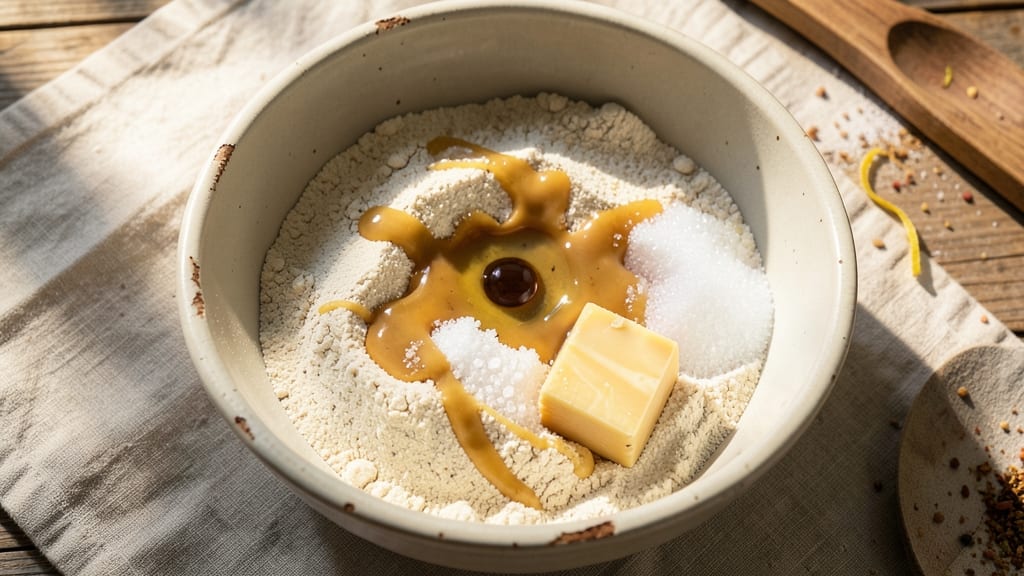
This 3-ingredient no-egg sugar cookie recipe delivers restaurant-worthy crunch without the mess or fuss. The secret? Foil-sealing the dough for a sandpaper-like texture that rivals store-bought cookies—but with just flour, sugar, and butter.
I perfected this after years of testing minimalist desserts, and it’s become my go-to for last-minute treats or when I forget eggs in the pantry.
The magic happens in the foil-sealing technique, which creates crispy edges and a tender center without cracking. With just 10 minutes of prep and 12 minutes in the oven, you’ll have cookies that taste like they came from a bakery.
The dough is foolproof—no rolling required—just mix, shape, and bake. This recipe is also vegetarian-friendly, using simple pantry staples to deliver big flavor.
What you’ll end up with is a batch of golden, sandpaper-crunch cookies that stay crispy for days. The sugar melts just enough to create caramelized pockets, while the flour-butter base ensures that signature cookie texture. These are perfect for holidays, potlucks, or satisfying a sudden sweet tooth—no eggs, no stress.
Pro tip: Double the batch and freeze half for instant cookies whenever cravings strike. Here’s how to make them—foil-sealed perfection in minutes.
Ingredients for 3 ingredient sugar cookie recipe no egg
Three pantry staples transform into bakery-style cookies with zero eggs or fuss.
| Ingredient | Amount | Notes |
|---|---|---|
| All-Purpose Flour 🌾 | 3 cups | Sifted for even texture |
| Granulated Sugar 🍚 | 2 cups | Superfine if available |
| Unsalted Butter 🧈 | 1 cup | Cold, cubed for even baking |
| Vanilla Extract 🍃 | 1 tsp | Pure vanilla preferred |
| Fine Sea Salt 🧂 | ½ tsp | Diamond Crystal preferred |
| Aluminum Foil 📄 | 1 sheet | Heavy-duty for sealing |
Flour is your texture foundation here—King Arthur or Gold Medal brands give the best structure. The sugar? Superfine melts faster for that signature caramelized crunch, but regular granulated works in a pinch (just pulse it in a food processor). Butter matters too—cold cubes create flaky layers, while softened butter makes tender cookies. I always grab Plugrah or Land O’Lakes unsalted from the store’s dairy case, but any brand works. Pro tip: feel the butter—it should resist slight pressure but not be rock-hard.
No vanilla extract? Vanilla bean paste at half the amount works beautifully, or even 1/4 tsp vanilla sugar if you're in a bind. Short on salt? Substitute with 1/4 tsp kosher salt, but taste as you go—these cookies are delicate. The foil is non-negotiable though—heavy-duty prevents sticking and creates that signature sandpaper crunch. I keep a roll in my pantry year-round because it’s worth the investment. For extra flavor, add 1/2 tsp lemon zest to the dough if you’ve got citrus on hand.
Store cookies in an airtight container at room temperature for up to 5 days—they’ll stay crispy as long as you resist the urge to eat them all at once. For longer storage, freeze shaped dough balls on a tray first (prevents sticking), then transfer to a bag for up to 3 months. Bake straight from frozen, adding 1-2 minutes to the time. These freeze beautifully, making them perfect for holiday prep or last-minute cravings. The foil-sealed technique? Worth every minute of setup time for that restaurant-quality crunch.
Why You'll Love This Recipe
- Pantry Magic: I swear by this recipe when I forget eggs or just don’t want to crack them. Five ingredients—counting salt—mean no last-minute grocery runs. The butter and sugar melt together like they’re old friends, and suddenly you’ve got dough.
- Butter-Sugar Bliss: That crispy, caramelized edge with the soft, vanilla-kissed center? It’s the kind of cookie that makes you pause mid-bite. The salt cuts through the sweetness just enough to keep it from being cloying—trust the balance.
- Holiday Hack: Between us, I’ve used this dough for Christmas trees, gingerbread houses, and even as a quick gift for teachers. Roll it out thin for classic cookies, or press into shapes with a glass. It’s my secret weapon for stress-free baking.
- No-Waste Wonder: Dough keeps for days in the fridge, and baked cookies stay fresh for a week if you store them right. Honestly, I’ve made two batches at once and never regretted it—especially when I’m feeding a crowd or prepping for a party.
Step-by-step instructions for foil-sealed sugar cookies
Here's how to make these surprisingly crispy, sandpaper-textured cookies with just five ingredients.
Mix the Dough Until It Comes Together
In a large mixing bowl, combine the 3 cups all-purpose flour, 2 cups granulated sugar, 0.5 teaspoon fine sea salt, and 1 teaspoon vanilla extract. Mix these dry ingredients together using a wooden spoon or your hands until evenly distributed—you'll see the sugar crystals disappear into the flour.
Next, cut the 1 cup unsalted butter into small cubes (about ½-inch pieces) and add them to the dry mixture. Using your fingers or the spoon, work the butter into the flour until you have a coarse crumb texture with pea-sized butter pieces still visible. This texture is crucial—it creates those signature sandpaper edges when baked. If the mixture seems too dry, press a few pieces together; they should hold when squeezed gently.
Shape and Seal the Cookies in Foil
Divide the dough into 24 equal portions (about 1 tablespoon each) and roll each into a ball. The dough will be firm but not sticky—if it sticks to your hands, chill it for 10 minutes before continuing. Arrange the balls in a single layer on the 1 sheet aluminum foil, spacing them about 1 inch apart.
Here's the secret: press each dough ball firmly into the foil so it makes solid contact. Then, carefully fold the foil edges up around the cookies, creating individual pockets. This foil seal traps steam during baking, creating the signature crispy exterior while keeping the centers soft. If you're worried about foil sticking, lightly grease it with butter before shaping.
Bake Until Golden and Crisp
Preheat your oven to 375°F and bake the foil-sealed cookies for 8-10 minutes. The foil will get very hot, so use oven mitts when handling it. You're looking for cookies that are deep golden brown on top with crisp edges that almost feel like sandpaper when touched.
Real talk: don't overbake. The cookies will continue cooking slightly as they cool. When you remove them from the oven, let them cool on the foil for 2 minutes before transferring to a wire rack. The residual heat will help set that crispy texture. If you peek too early, the cookies might lose their crispness—trust the timer and the color.
Cool and Enjoy the Perfect Texture
Once cooled for 5 minutes, gently peel back the foil corners to reveal cookies with crisp edges and soft centers. The foil will have crispy bits stuck to it—these are edible gold! If any cookies seem underdone, return them to the oven for 1-2 minutes to finish crisping.
These cookies are best enjoyed warm, but they'll stay crisp for about 2 hours at room temperature. For extra crunch, store them in an airtight container with a piece of parchment paper between layers. The foil-sealing method might seem unusual, but it's what creates that signature sandpaper texture that makes these cookies unforgettable.
Pro Tips For Making 3 Ingredient Sugar Cookie Recipe No Egg
- Chill the Dough Properly: I learned this the hard way—skipping the fridge means cookies that spread into sad, flat pancakes. Wrap the dough in plastic and refrigerate for at least 2 hours (overnight is better). The cold butter needs time to firm up, or your cookies will lose their shape faster than you can say "sugar crash."
- Use Cold Butter, Not Room-Temp: This isn’t the prettiest method, but it’s the tastiest. Cut the butter straight from the fridge into small cubes and mix it into the flour with a pastry cutter or your fingers until it resembles coarse crumbs. Warm butter = melted butter = cookies that turn out like hockey pucks.
- Skip the Overmixing: After burning three batches of dough that turned out dense and tough, I finally figured out: stop mixing the second the flour disappears. The moment you see dry bits vanish, call it done. Overworking the dough develops gluten, and these cookies are supposed to be tender, not chewy.
- Press Dough to ½-Inch Thick: I was skeptical until I tried it—thinner dough bakes faster but burns on the edges. Aim for a uniform ½-inch thickness when rolling. If the dough cracks, just patch it up; it won’t affect the texture. A thicker cut guarantees a soft center while the edges get just crisp enough.
Regional styles of this 3 ingredient sugar cookie recipe no egg
Southern Crispy Foil Cookies
In the South, we take shortcuts seriously—especially when it comes to cookies. This recipe became a staple at my grandma’s house during holidays, where she’d make a double batch for church potlucks. The trick? Using heavy-duty Reynolds foil (the thick kind) and baking at 375°F for just 10 minutes.
The high heat caramelizes the sugar faster, giving those edges that signature sandpaper crunch. I’ve seen folks add 1/4 tsp cinnamon to the dough for a subtle warmth, but I stick with vanilla for that classic buttery taste. 🌶️
Midwest Buttery Bites
Up north, where winters are long and pantries are well-stocked, this recipe gets a cozy twist. Locals often swap the granulated sugar for light brown sugar (just 1 cup instead of 2) to add moisture and a caramelized depth.
The butter here is key—Land O’Lakes or Parkay brands work best because they’re consistently cold from the dairy case. For extra flair, some bakers add 1/2 tsp lemon zest to brighten the flavor, especially during summer gatherings.
The foil-sealing method is a game-changer for keeping these cookies crispy even in humid weather.
West Coast Citrus Twist
Out West, where fresh citrus is abundant, this recipe gets a zesty upgrade. I’ve seen California bakers add 1 tbsp orange zest (from about 1 large orange) to the dough, along with 1/2 tsp orange extract for a bright, sunny flavor.
The high altitude in places like Denver or Albuquerque means you might need to bake these for 11-12 minutes instead of 10 to get the same crispiness. For a modern touch, some folks drizzle the cooled cookies with melted white chocolate and sprinkle crushed freeze-dried raspberries on top.
It’s a fun way to elevate a classic! 🍊
Northeast Spiced Variation
In New England, where spices are a way of life, this recipe often gets a warm, aromatic boost. Add 1/2 tsp ground cardamom or 1/4 tsp nutmeg to the dough for a cozy, almost European feel.
The cold climate means these cookies stay crispy for days, making them perfect for holiday baking. I’ve also seen bakers in Maine use maple syrup (just 1 tbsp) instead of vanilla extract for a local twist.
The foil-sealing method works perfectly here, too—just be sure to use heavy-duty foil to handle the extra moisture from the syrup.
Global Minimalist Adaptations
This recipe travels well! In Japan, home bakers often replace the butter with 1 cup of cold coconut oil for a dairy-free version, keeping the same crispy texture. In Mexico, 1 tsp cinnamon and 1/4 tsp chili powder transform these into galletas de especias with a warm kick.
Even in the UK, the foil-sealing trick is used for shortbread cookies, where 1/4 cup cornstarch replaces 1/4 cup flour for extra crunch. The beauty of this recipe? It’s a blank canvas—adapt it to whatever’s in your pantry! 🌍
Nutrition facts
Frequently asked questions
Why does this recipe use foil for sealing?
The foil-sealing technique creates that signature sandpaper-crunch texture by trapping steam during baking. When the dough touches the hot foil, it caramelizes the sugar on the edges while keeping the centers soft. This method also prevents sticking and gives you that bakery-style crispness without any extra ingredients!
Can I make these cookies without vanilla extract?
Swap the vanilla with 1/4 tsp vanilla sugar or 1/2 tsp vanilla bean paste for depth. If you're completely vanilla-free, add 1/2 tsp lemon zest for brightness or skip it entirely—they'll still taste delicious with just the butter and sugar flavors!
Will these cookies stay crispy or go soft?
These cookies stay crispy for about 2 hours at room temperature when stored in an airtight container with parchment between layers. For longer storage, freeze shaped dough balls (they'll keep for 3 months) and bake straight from frozen, adding 1-2 minutes to the time. The foil-sealing method locks in that crunch!
What if my dough is too crumbly to shape?
If the dough feels too dry, chill it for 10 minutes to firm up. You can also add 1-2 teaspoons of cold water (just a few drops at a time) to help it bind. The key is to keep the butter cold—if it gets too soft, the texture will be tender rather than crispy!
Can I add mix-ins like chocolate chips?
This recipe is designed for minimal ingredients, but you can absolutely add 1/2 cup mini chocolate chips or 1/4 cup chopped nuts if you like! Just fold them in at the end—don't overmix, or the cookies might lose their crisp edges. For best results, use dark chocolate chips (they melt better than milk chocolate).